

When Unity Breached Borders: The 1948 Strike of Indian and Pakistani Workers in Kuwait
In the wake of India’s independence in August 1947, the subcontinent found itself grappling with the scars of Partition. A year later, as the newly independent nations of India and Pakistan...

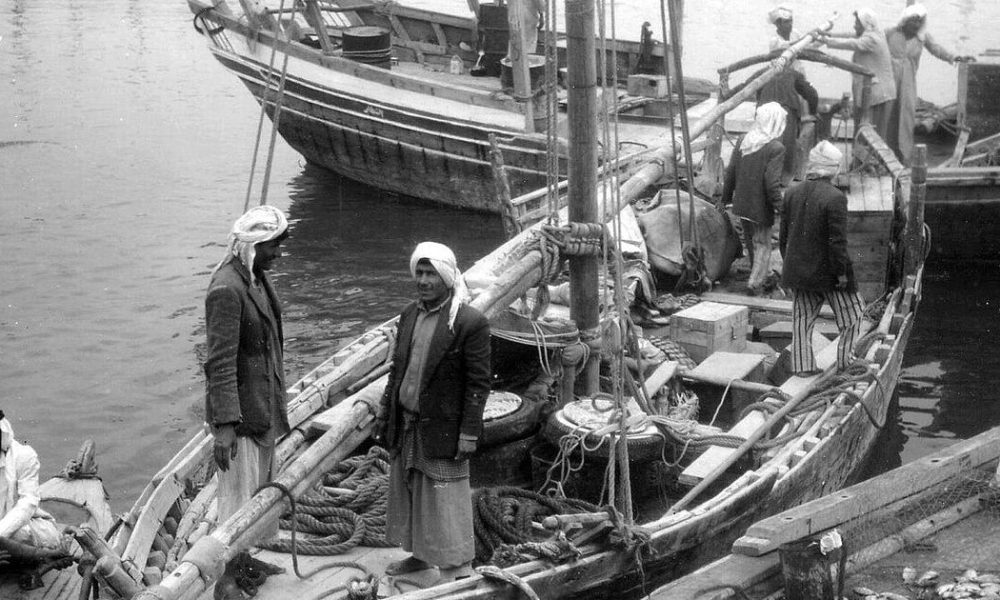
In the wake of India’s independence in August 1947, the subcontinent found itself grappling with the scars of Partition. A year later, as the newly independent nations of India and Pakistan approached their first anniversary, a group of Indian and Pakistani workers at the Kuwait Oil Company sought a small gesture of recognition: a day off to commemorate the historic event. For these laborers, who had been navigating the complexities of their new identities in a foreign land, this day off represented an opportunity to unite and celebrate their shared heritage.
However, their request was met with a resounding refusal from the British management of the company, which was then engaging in oil extraction operations at the Burgan oil field—the largest in the world at the time. The Kuwait Oil Company, a joint venture between the US-based Gulf Oil Corporation and the Anglo-Iranian Oil Company, employed over 3,000 workers from the Indian subcontinent, comprising an equal number of Indians and Pakistanis across various roles including supervisors, clerks, and manual laborers. The management’s dismissal of the workers’ request ignited a sense of collective frustration among them.
The refusal to grant even a few hours off proved to be the tipping point for the workers, who had already been enduring harsh working conditions and a lack of basic amenities. The workers, undeterred by their diverse backgrounds, joined forces across class, religion, and national lines, launching a strike that would reverberate through the region. This unprecedented solidarity among the Indian and Pakistani laborers underscored a powerful message about unity in the face of adversity.
In response to the strike, the management acted swiftly to quash the dissent. Several members of the newly formed Indo-Pakistan Association, who played a key role in organizing the protest, were dismissed from their positions and faced expulsion from the country. The abrupt termination of employment for these workers served as a stark reminder of the struggles faced by laborers in colonial and post-colonial contexts, where their voices were often marginalized.
This event not only highlighted the harsh realities of labor conditions in Kuwait but also illustrated a significant moment of unity between Indian and Pakistani workers during a time of fragile national identities. Their collective action in the face of adversity reflects the potential for solidarity that exists beyond borders and national divisions, emphasizing the shared struggles that bind people together, even in foreign lands.
Source: scroll.in







No Comment! Be the first one.