

Escalating Hate Speech in India: A Call for Accountability and Dialogue
A recent report from the Centre for the Study of Organized Hate reveals a troubling trend in India: in 2025, there were 1,318 documented incidents of hate speech aimed at religious minorities across...

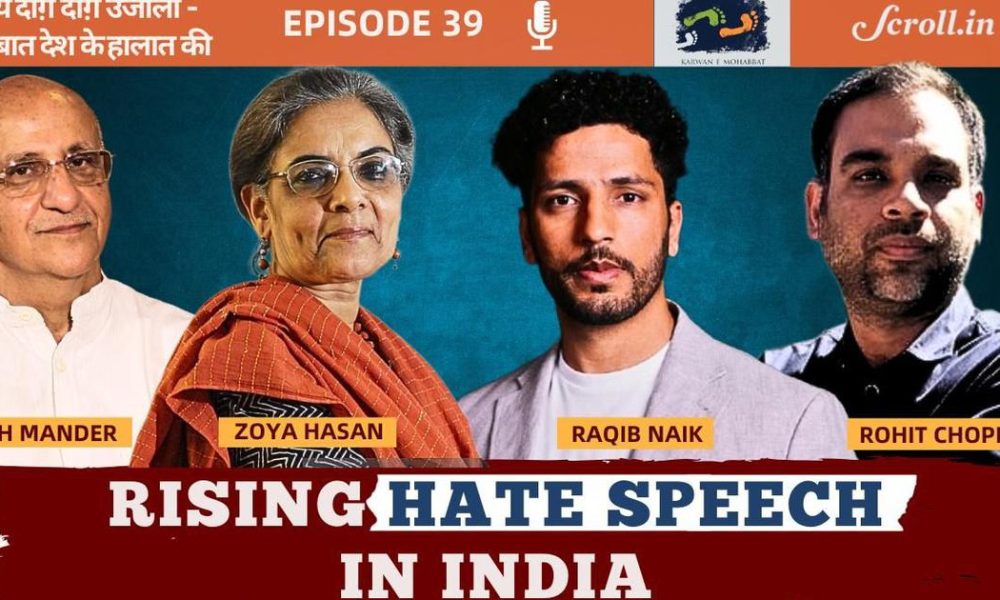
A recent report from the Centre for the Study of Organized Hate reveals a troubling trend in India: in 2025, there were 1,318 documented incidents of hate speech aimed at religious minorities across 21 states and one union territory, including the National Capital Territory of Delhi. This staggering statistic translates to an average of four hate speech occurrences every day. The findings underscore the urgent need to address how hate speech is increasingly permeating both online and offline interactions.
In an insightful discussion series led by author and peace activist Harsh Mander, experts delved into the ramifications of such language being weaponized in everyday life. The panel included Raqib Naik, executive director of the Centre for Study of Organized Hate, political scientist Zoya Hasan, and communications professor Rohit Chopra from Santa Clara University. Together, they explored the factors that contribute to hate speech’s prevalence, including political rhetoric, misinformation, and organized networks that exacerbate societal divisions.
The dialogue emphasized the importance of accountability and the role of media in shaping public discourse. As hate speech increasingly invades public spaces, it raises crucial questions about the future of democratic engagement in India. Participants highlighted the urgency for media outlets and digital platforms to take responsibility in curbing hate-filled narratives, which have the potential to erode social cohesion.
The conversation also touched upon personal experiences and testimonies that shed light on the lived realities of those affected by hate speech. This dimension of the discussion reinforced the need for a collective response to address these challenges. By fostering a more informed public discourse, the hope is to counteract the divisive narratives that threaten to reshape India’s social fabric.
As India moves forward, the need for a paradigm shift in how hate speech is perceived and addressed becomes increasingly critical. Engaging in open dialogues and promoting empathy across communities may serve as vital steps toward rebuilding trust and ensuring a harmonious society. Without these fundamental efforts, the risk of further polarization looms large, jeopardizing the country’s democratic ideals.
Source: scroll.in






No Comment! Be the first one.