

Indian Stock Market Plummets 2% Amid U.S. Blockade of Strait of Hormuz
The Indian stock market experienced a significant downturn on Monday, with the benchmark Sensex index plunging over 1,500 points, translating to a decline of 2% shortly after the market opened. The...

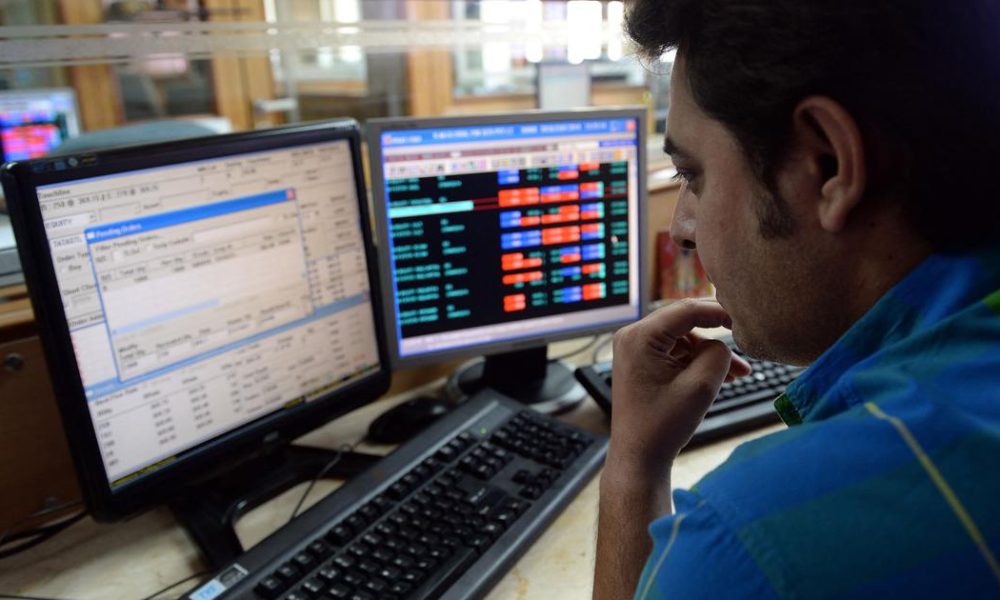
The Indian stock market experienced a significant downturn on Monday, with the benchmark Sensex index plunging over 1,500 points, translating to a decline of 2% shortly after the market opened. The Nifty index mirrored this trend, dropping nearly 450 points, or about 1.9%, as investor sentiment soured following the announcement of a blockade on the Strait of Hormuz by the United States.
President Donald Trump declared the blockade on Sunday, a move that is expected to exacerbate the existing tensions in the region and disrupt crucial oil and gas supplies. This action follows the collapse of recent negotiations with Iran, raising fears of further escalation in conflicts that could affect global energy markets.
This sudden market drop comes on the heels of a more optimistic week, during which the Indian stock market had rallied more than 4.5% after the U.S. and Iran agreed to a two-week ceasefire aimed at fostering further dialogue to resolve the ongoing conflict. However, the announcement regarding the blockade has reversed this trend, igniting fears of increased volatility in the markets. The India VIX index, which gauges market volatility, surged by 13% on Monday morning, reflecting rising investor anxiety.
The fallout from the blockade announcement was not isolated to Indian markets; major Asian stock indices also reported declines. As of 9:30 AM Indian time, Hong Kong’s Hang Seng index had fallen by 1.1%, South Korea’s Kospi was down 1.3%, Japan’s Nikkei dropped nearly 1%, and China’s Shanghai Composite index noted a marginal decrease of 0.1%.
In the wake of these developments, oil prices surged dramatically as fears of supply disruptions took center stage. Brent crude, the international benchmark for oil prices, soared by over 8% to surpass $103 per barrel, a stark increase from $78 per barrel just before the conflict escalated on February 27. This spike in oil prices is likely to have significant implications for the Indian economy, particularly as it is heavily reliant on oil imports.
As the situation evolves and peace talks are scheduled for later in the week, market analysts are closely monitoring the developments, aware of the potential impact on both domestic and international markets. The volatility in the stock market and rising oil prices highlight the interconnectedness of global events and their immediate ramifications on the Indian economy.
Source: scroll.in







No Comment! Be the first one.