

Unmasking the Hindustani Classical Music Scene: A Deep Dive into Talent and Recognition
The world of Hindustani classical music is often perceived as a bastion of artistry and tradition. Yet, a troubling phenomenon persists—artists of genuine talent frequently find themselves sidelined,...

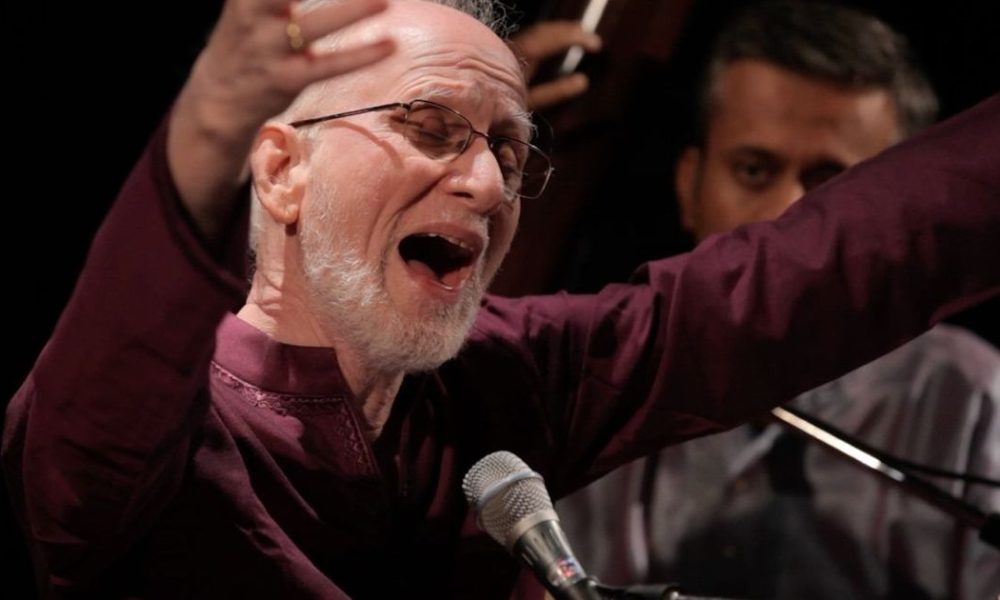
The world of Hindustani classical music is often perceived as a bastion of artistry and tradition. Yet, a troubling phenomenon persists—artists of genuine talent frequently find themselves sidelined, while those with less merit often bask in the limelight. This paradox is the focal point of journalist Sumana Ramanan’s latest work, “The Secret Master: Arun Kashalkar and a Journey to the Edge of Music.” Through the lens of her guru, Arun Kashalkar, Ramanan presents a compelling critique of an ecosystem that appears to prioritize flamboyance over authenticity.
The author raises pressing questions about the underlying factors that contribute to this disparity in recognition. Why do lesser-known musicians dominate mainstream platforms, while truly skilled artists remain in obscurity? Is it merely a matter of fate, or are more insidious structural issues at play? Ramanan suggests that the concept of ‘naseeb’—destiny—should not be accepted without scrutiny. Instead, she advocates for an examination of the systemic barriers that hinder the rise of deserving talents.
Over the course of her 400-page exploration, Ramanan meticulously dissects the intricate relationships within the music industry. She highlights how market dynamics often favor entertainers who prioritize spectacle over substance, pushing sincere musicians to the margins. Through her investigation, Ramanan aims to illuminate the ‘invisible hand’ of commercial interests that shape public taste, often at the expense of true artistry.
The book also sheds light on the roles played by patrons, promoters, and music festivals, which sometimes favor flashiness over depth. Ramanan’s insights challenge the status quo, urging stakeholders in the music community to rethink their definitions of success and influence. By drawing attention to these issues, she not only honors Kashalkar’s legacy but also advocates for a broader recognition of the many unsung heroes within Hindustani classical music.
In a cultural landscape where the superficial often overshadows the sublime, “The Secret Master” serves as a courageous call to action. It invites readers to reconsider their perspectives on music and art, and to support those who genuinely contribute to India’s rich musical heritage.
Source: scroll.in







No Comment! Be the first one.