

Sarat Chandra Chattopadhyay at 150: The Enduring Legacy of a Literary Rebel
Every January, as the chill of winter envelops Bengal, the literary community takes a moment to honor the memory of Sarat Chandra Chattopadhyay, a titan of Indian literature. January 16 marks the...

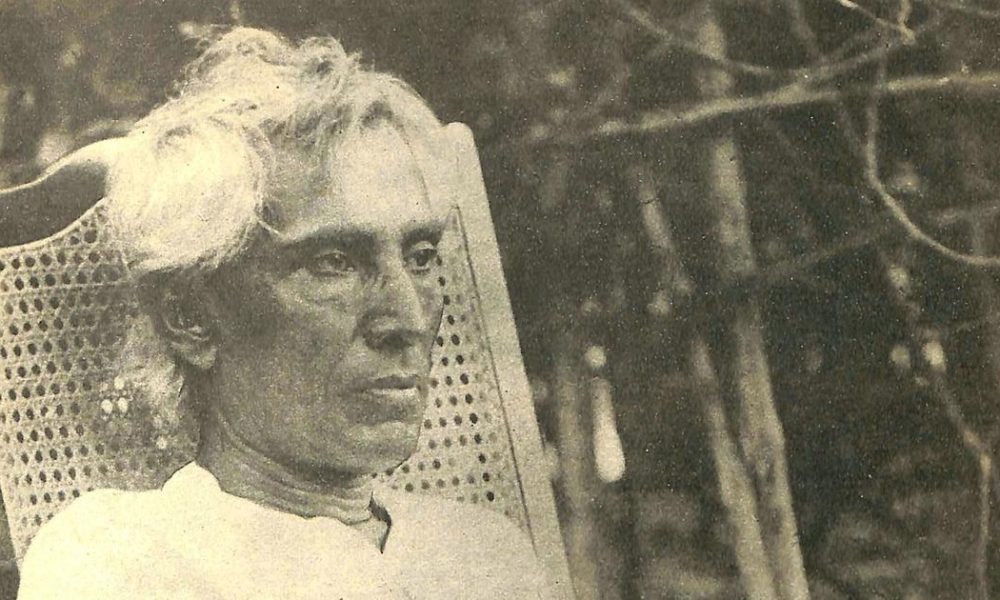
Every January, as the chill of winter envelops Bengal, the literary community takes a moment to honor the memory of Sarat Chandra Chattopadhyay, a titan of Indian literature. January 16 marks the anniversary of his passing in 1938, and serves as a poignant reminder of the remarkable impact he has had on storytelling in India. Renowned for his vivid portrayals of rural life and the struggles faced by women in a patriarchal setting, Sarat Chandra’s narratives possess a timeless quality that resonates with readers even after almost nine decades.
While the author is celebrated for his empathetic characterizations, there exists a more politically charged facet of his work that often goes unnoticed. A prime example of this is his novel Pather Dabi (translated as Right of Way or Demand of the Road), which was banned by the British colonial authorities in 1926 due to its strong anti-colonial themes. This revolutionary piece is now being reinterpreted for contemporary audiences through a film adaptation by acclaimed Bengali director Srijit Mukherji, reflecting the enduring relevance of his work in today’s socio-political landscape.
Another of Sarat Chandra’s masterpieces is Devdas, arguably his most famous character, whose tragic love story has been immortalized in various film adaptations over the past century. The tale’s emotional depth and its exploration of unrequited love continue to captivate audiences, making it a perennial favorite among filmmakers and readers alike. The character of Devdas has transcended time, serving as a poignant symbol of the struggles that individuals face in the name of love and societal expectations.
Many believe that Sarat Chandra’s writing style, which combines simplicity with profound insights, allows for a deeper connection with the reader. His stories are often embedded with a sense of realism, reflecting the socio-economic conditions of rural Bengal and the complexities of human relationships. Through his work, he challenged societal norms and brought attention to the issues surrounding gender inequality, making him not just a storyteller, but also a voice for the marginalized.
As we commemorate the 150th birth anniversary of this literary giant, it is essential to revisit his contributions. Sarat Chandra Chattopadhyay’s works are not merely relics of the past; they are living texts that continue to inspire and ignite conversations about love, loss, and resistance. His ability to weave together the personal and the political makes him a crucial figure in the canon of Indian literature, and his stories remain as relevant today as they were during his lifetime.
Source: scroll.in







No Comment! Be the first one.