

Supreme Court Declares Right to Vote and Contest Elections Not Fundamental Rights
In a significant ruling on electoral rights, the Supreme Court of India clarified on Friday that both the right to vote and the right to contest elections do not qualify as fundamental rights. A...

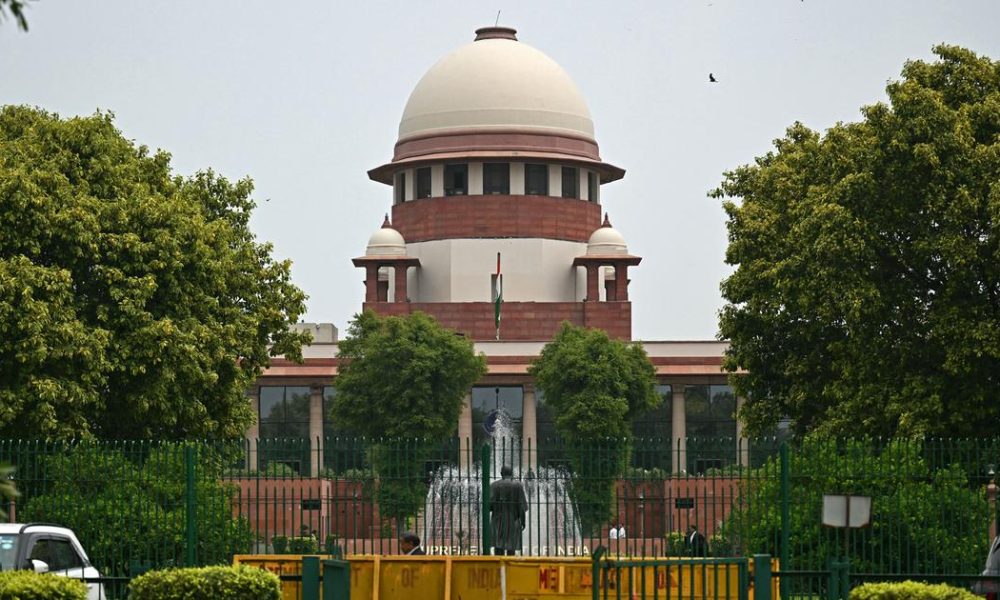
In a significant ruling on electoral rights, the Supreme Court of India clarified on Friday that both the right to vote and the right to contest elections do not qualify as fundamental rights. A bench comprising Justices BV Nagarathna and R Mahadevan emphasized that these rights are governed by statutory provisions, distinguishing them from fundamental rights enshrined in the Constitution.
This ruling emerged during a case concerning the electoral regulations for the District Milk Producers’ Co-operative Unions in Rajasthan. The case arose from a petition challenging certain bye-laws set forth by these unions, which outlined specific qualifications for candidates wishing to serve on their board of directors. The Rajasthan High Court had previously deemed these provisions as ultra vires, meaning they exceeded the authority granted to the unions. Following this, the petitioners escalated their appeal to the Supreme Court.
In its decision, the Supreme Court overturned the High Court’s ruling and upheld the legality of the bye-laws. The bench reiterated that the rights related to voting and contesting are not absolute and come with stringent criteria, including qualifications, disqualifications, and institutional requirements. The judges pointed out that the right to contest elections is particularly subject to a higher level of regulation.
The court’s stance aligns with previous judgments, which have consistently maintained that the right to vote and contest elections are statutory rather than inherent rights. According to the justices, these rights exist solely based on the legislative framework established by statutes. Therefore, while individuals may exercise their voting rights, it is under the constraints of the prevailing laws that govern such processes.
This ruling is expected to have wider implications for electoral practices across different political bodies in India, as it reaffirms the idea that electoral rights are conferred and regulated by laws rather than being fundamental entitlements. As the country heads into various elections, including state and local polls, this clarification will be pivotal for candidates and electorates alike.
Source: scroll.in







No Comment! Be the first one.