

CBI Defends Judge Amid Kejriwal’s Plea for Recusal in Delhi Liquor Policy Case
The Central Bureau of Investigation (CBI) has firmly opposed the request made by Arvind Kejriwal, the chief of the Aam Aadmi Party (AAP), and his associates, who are seeking the recusal of Justice...

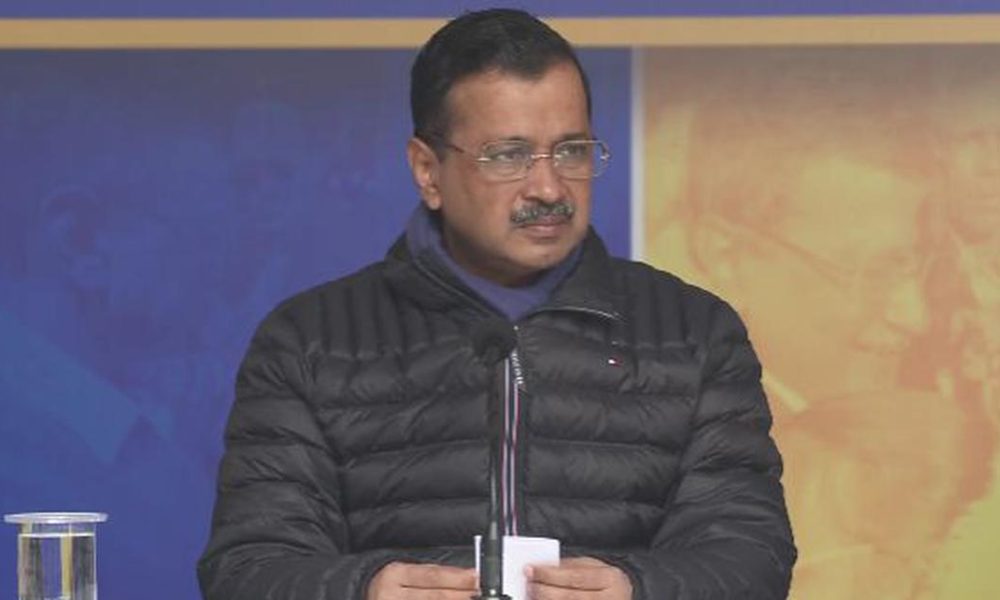
The Central Bureau of Investigation (CBI) has firmly opposed the request made by Arvind Kejriwal, the chief of the Aam Aadmi Party (AAP), and his associates, who are seeking the recusal of Justice Swarana Kanta Sharma from presiding over their ongoing legal troubles related to the Delhi liquor policy case. The CBI stated its position during a hearing at the Delhi High Court on Wednesday, arguing that the attendance of a judge at a legal seminar organized by the Akhil Bharatiya Adhivakta Parishad—a lawyers’ body associated with the Rashtriya Swayamsevak Sangh (RSS)—should not be taken as an indication of ideological partiality.
The RSS is known as the ideological backbone of the ruling Bharatiya Janata Party (BJP). The CBI’s response highlights the significance of maintaining judicial independence and impartiality. They contended that if mere attendance at events could be construed as evidence of bias, then a substantial number of judges across the High Court and Supreme Court would be compelled to recuse themselves from cases involving politically prominent individuals.
In its detailed plea, the CBI characterized the allegations made by Kejriwal and his party as baseless and described them as an attempt to undermine the integrity and authority of the judiciary. The agency criticized the claims as both “unscrupulous” and “sweeping,” warning that such actions could potentially set a dangerous precedent, leading to “forum shopping” or selective bench choices made by litigants based on perceived biases.
The controversy arises from the ongoing investigation into alleged irregularities in the Delhi government’s liquor policy, which has become a focal point of political contention. Kejriwal, along with other AAP leaders, including Manish Sisodia, faces serious charges related to corruption and favoritism in the licensing process. As the legal battle unfolds, the implications for the AAP and its leadership are significant, as they navigate not only judicial scrutiny but also political ramifications.
As the case progresses, the High Court’s decision regarding the request for recusal will be closely monitored, given its potential impact on the perceptions of judicial fairness in politically charged cases. The outcome could set important precedents for how similar situations are handled in the future, particularly in an environment where political affiliations and judicial decisions often intersect.
Source: scroll.in







No Comment! Be the first one.