

CJI Condemns Bar Council’s Attempt to Bar NALSAR Students from Advocacy
In a striking turn of events, Chief Justice Surya Kant publicly denounced the Bar Council of India’s recent directive aimed at barring the enrolment of students graduating from the National...

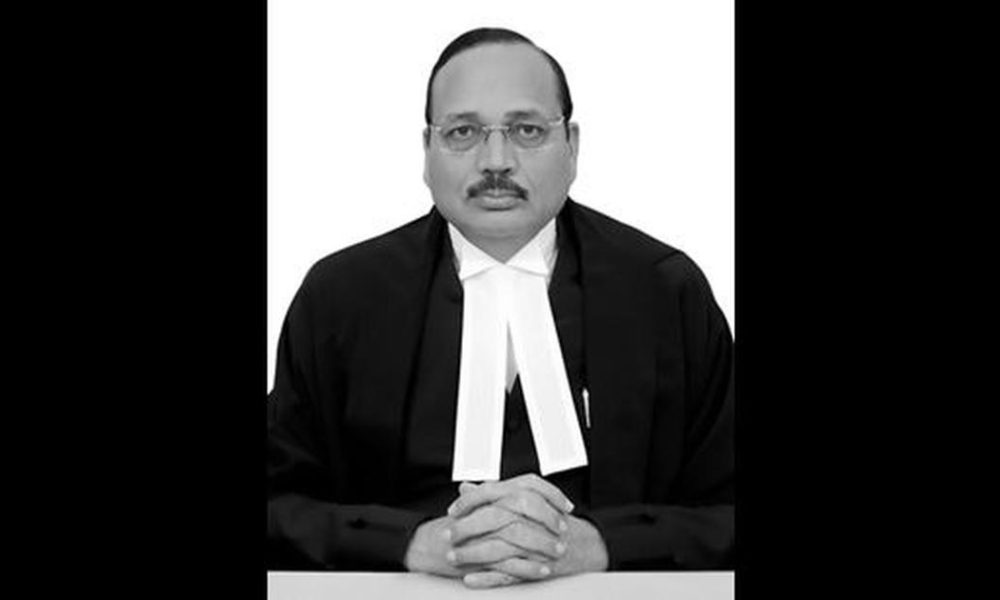
In a striking turn of events, Chief Justice Surya Kant publicly denounced the Bar Council of India’s recent directive aimed at barring the enrolment of students graduating from the National Academy of Legal Studies and Research (NALSAR) in 2026 as advocates. This controversial move, which generated significant backlash, was labeled by Justice Kant as “absolutely uncalled for” during a hearing on Friday.
The Bar Council’s initial decision emerged following objections raised by some students concerning their institution’s invitation to Chief Justice Kant to address their convocation ceremony. The council directed state bar councils to postpone the enrolment of these students, citing concerns over the protest against the invitation.
However, within hours of issuing the directive, the Bar Council of India retracted it, stating that they had sought an inquiry report from NALSAR to identify the students who were deemed principally responsible for opposing the Chief Justice’s participation. That evening, the council took an abrupt turn, announcing the closure of all proceedings against the students and noting that the graduating class bore no responsibility for any disturbances.
This incident was discussed in front of a bench that included Justice Kant, along with Justices Joymalya Bagchi and V Mohana. Advocate K Parameshwar challenged the Bar Council’s actions, further highlighting the contentious nature of the issue. Chief Justice Kant emphasized his own history of student activism, asserting that students have the right to voice dissent, regardless of the nature of their grievances.
This episode not only underscores the tension between judicial authorities and legal education institutions but also reflects broader themes of academic freedom and the right to protest in India. Legal experts and students alike are watching closely to see how these developments will influence the dynamics of advocacy and student rights within the country’s legal framework.
Source: scroll.in






No Comment! Be the first one.