

Bangladesh Struggles to Promote Jute Sacks Amid Rise of Plastic Packaging
Bangladesh, recognized as the second-largest producer of jute globally, faces significant challenges in curbing the growing reliance on plastic packaging. Despite its commitment to promoting jute as...

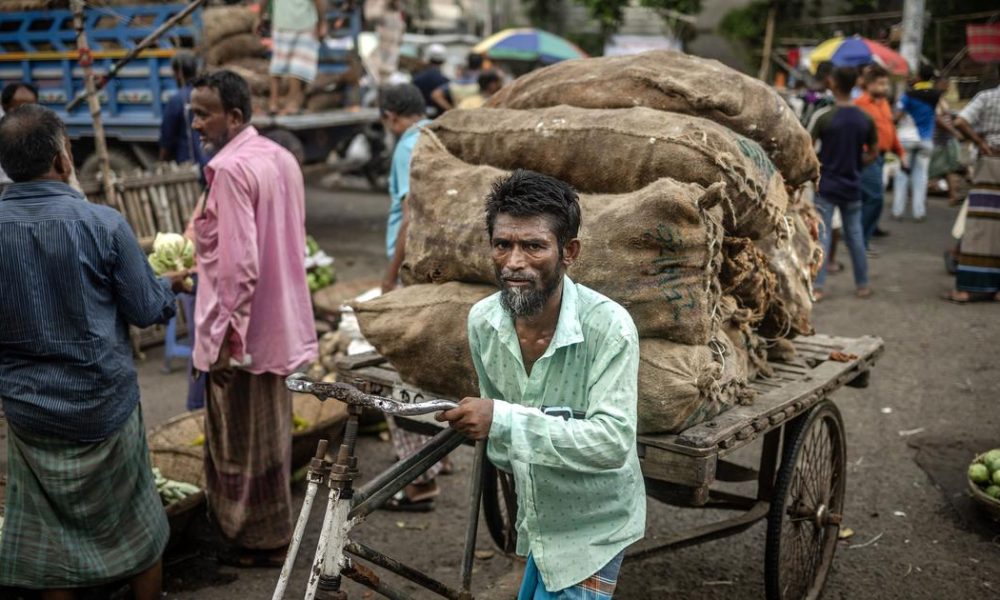
Bangladesh, recognized as the second-largest producer of jute globally, faces significant challenges in curbing the growing reliance on plastic packaging. Despite its commitment to promoting jute as an eco-friendly alternative, the widespread adoption of cheaper plastic bags continues to undermine these efforts.
In a bid to protect the environment and support local agriculture, the Bangladeshi government introduced a mandate 16 years ago requiring the use of jute sacks for transporting 19 essential commodities, including rice, wheat, and fertilizers. However, this initiative has struggled to gain traction, as the market remains saturated with plastic options that offer low costs but severe environmental repercussions.
As the popularity of synthetic bags persists, the environmental damage caused by their disposal has escalated, leading to increased waste management issues. Local jute officer Nazmul Haque highlighted the case of Sakhina Rice Mill, a unique establishment in the northern Sherpur district that exclusively utilizes jute packaging. Unlike other millers who argue that jute is less profitable, Sakhina Rice Mill demonstrates that jute can be a viable and sustainable choice.
According to Haque, the cost of a standard synthetic bag is approximately 20 takas (16 cents), whereas a jute sack is priced at 80 takas (65 cents). While plastic bags are typically single-use, jute sacks can be reused multiple times, making them more economical in the long run. This example challenges the prevailing notion that jute is an impractical option for businesses.
The struggle to promote jute amid the plastic surge is symptomatic of a broader issue that many countries face in their attempts to transition to sustainable materials. As the Bangladeshi government continues to advocate for environmentally friendly practices, the reliance on plastic remains a significant hurdle that needs to be addressed for the sake of future generations.
Source: scroll.in







No Comment! Be the first one.