

Ex-TISS Student Seeks Anticipatory Bail Amid Controversy over Alleged Support for Jailed Activists
A former student of the Tata Institute of Social Sciences (TISS), Kamakhya Das, has applied for anticipatory bail in the Bombay High Court in connection with a contentious case that involves alleged...

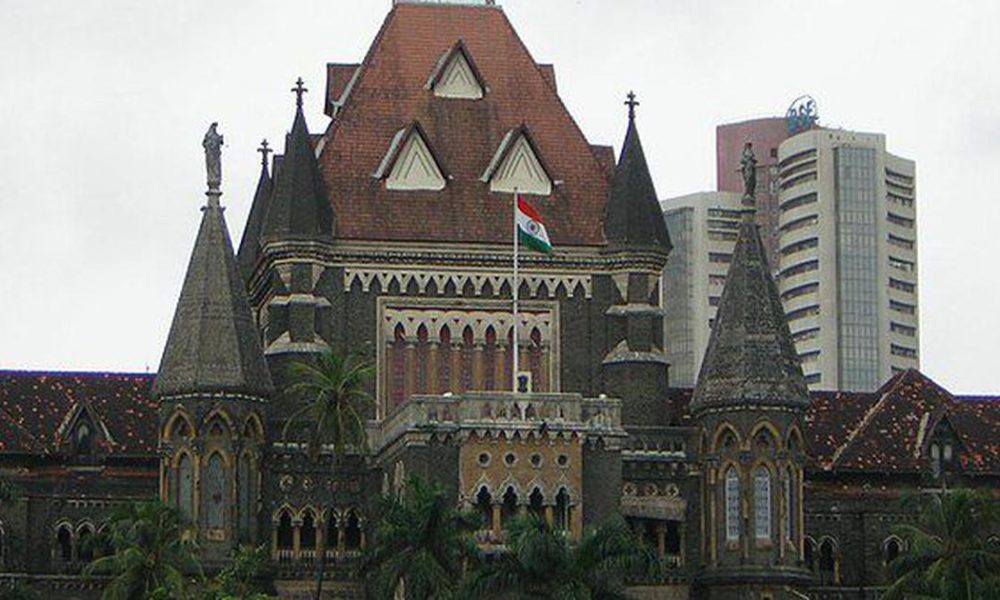
A former student of the Tata Institute of Social Sciences (TISS), Kamakhya Das, has applied for anticipatory bail in the Bombay High Court in connection with a contentious case that involves alleged support for jailed activists Umar Khalid and Sharjeel Imam. This development comes after a Mumbai court denied bail to Das and his colleague Abhirup Paul on August 7, prompting fears of potential arrest as the legal battle unfolds.
The allegations against Das suggest that he participated in an event last October, where he allegedly chanted slogans in favor of Khalid and Imam, both of whom have been incarcerated for over five years under the Unlawful Activities Prevention Act. This law is often invoked in cases linked to terrorism and insurgency. Khalid and Imam have been accused of conspiring in connection with the Delhi riots of 2020, a serious charge that has led to repeated denials of their bail applications.
In his petition to the High Court, Das vehemently denies the claims made against him, asserting that no attendees at the event shouted slogans supporting Khalid and Imam. He characterized the allegations as “completely unreliable” and based on “untrue events.” This assertion raises questions about the motivations behind the complaint and whether it reflects a broader pattern of political repression against dissenting voices.
Moreover, both Das and Paul are facing additional scrutiny for allegedly possessing literature that the prosecution claims embodies Maoist ideology. In his legal documents, Das contends that the mere possession of such materials is not a criminal offense and does not imply endorsement of any ideology. He argues that merely downloading literature does not equate to authorship or affiliation with the ideologies expressed therein.
The case highlights the ongoing tensions in India surrounding freedom of expression, political dissent, and the use of stringent laws to combat perceived threats to national security. The plight of Khalid and Imam, alongside the legal troubles faced by students like Das and Paul, illustrates the complexities of navigating political activism within the current legal landscape. As their trials approach, the outcomes could have significant implications for civil liberties in India, particularly for those advocating for social and political reforms.
Source: scroll.in




No Comment! Be the first one.