

Uttar Pradesh Court Approves Withdrawal of Case Against BJP Leaders in 2013 Muzaffarnagar Riots
A special MP-MLA court in Uttar Pradesh has granted approval for the withdrawal of a case against 25 leaders of the Bharatiya Janata Party (BJP) and individuals associated with Hindutva...

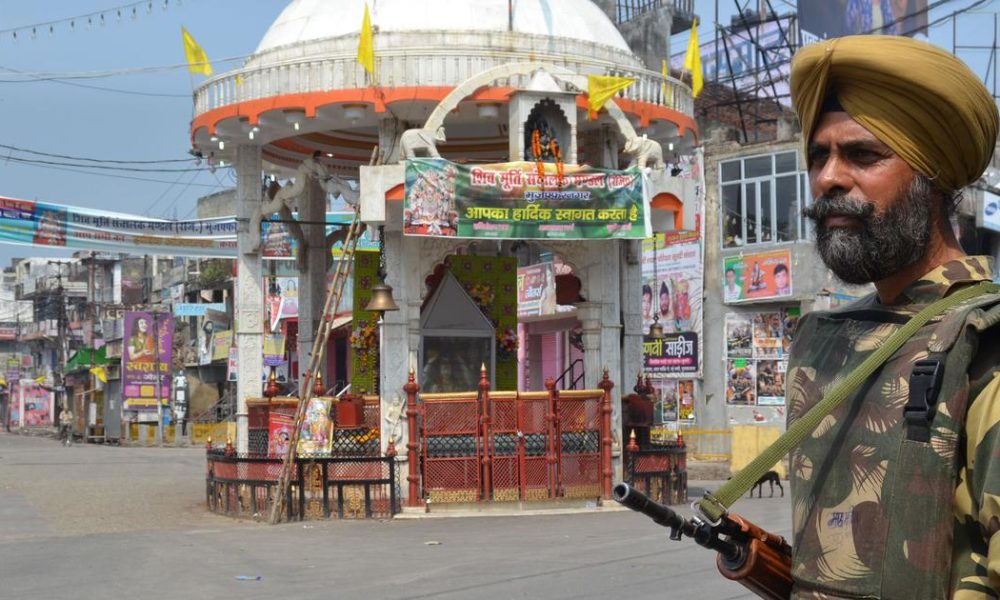
A special MP-MLA court in Uttar Pradesh has granted approval for the withdrawal of a case against 25 leaders of the Bharatiya Janata Party (BJP) and individuals associated with Hindutva organizations, linked to the 2013 Muzaffarnagar riots. This decision reflects a significant development in a case that has lingered for nearly a decade, stemming from violent communal clashes that erupted in September 2013.
The riots in Muzaffarnagar were triggered by inflammatory speeches made by several BJP leaders, including prominent figures such as Suresh Rana, former MLA Sangeet Som, and ex-MP Bharatendra Singh. The unrest resulted in the tragic loss of at least 60 lives and the displacement of thousands of Muslim families, with reports also detailing instances of sexual violence and abuse during this turbulent period.
The accused in the case included notable politicians such as state minister Kapil Dev Agarwal, former Union Minister Sanjeev Balyan, and several other former ministers and legislators affiliated with the BJP and the Vishwa Hindu Parishad (VHP). The court’s decision to withdraw the case raises questions about the accountability of political leaders during incidents of communal violence and the implications for justice for the victims.
The Muzaffarnagar riots are often viewed as a watershed moment in India’s communal dynamics, highlighting the volatile interplay of politics and religion in the region. The BJP, which has been at the forefront of Hindutva politics, has often faced scrutiny and criticism regarding its role in exacerbating communal tensions. The court’s ruling to withdraw this case will likely reignite debates about political responsibility and the pursuit of justice in cases of communal violence.
As the BJP continues to hold a dominant position in Indian politics, the handling of such cases will remain a focal point for activists and political observers. The implications of this court ruling extend beyond the legal sphere, as they reflect broader societal concerns regarding communal harmony, justice, and the role of political leaders in shaping the narratives surrounding such critical incidents.
Source: scroll.in



No Comment! Be the first one.