

Kerala High Court Overturns FCRA Renewal Denial for NGOs Linked to Anti-Adani Protests
The Kerala High Court has reversed a decision made by the Union government that denied the renewal of Foreign Contribution Regulation Act (FCRA) registrations for two non-governmental organizations...

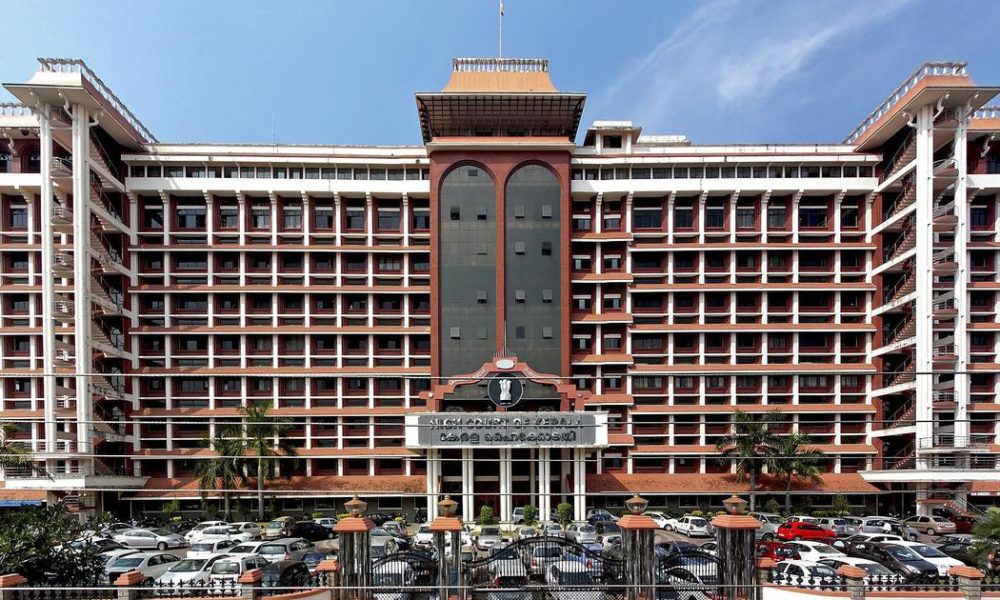
The Kerala High Court has reversed a decision made by the Union government that denied the renewal of Foreign Contribution Regulation Act (FCRA) registrations for two non-governmental organizations (NGOs) due to their alleged financial support for anti-Adani protests. This ruling, delivered by Justice Bechu Kurian Thomas, has significant implications for civil society organizations seeking foreign funding in India.
The NGOs in question, Kerala Social Service Forum and Save a Family Plan India, have been registered to receive foreign contributions since 1985. However, their registrations were not renewed after 2021 when the government claimed that these organizations had diverted foreign funds to support protests against the Adani port project in Vizhinjam. The contentious project, spearheaded by billionaire Gautam Adani’s business empire, has been a focal point of contention due to concerns over its environmental impact, particularly its potential to cause coastal erosion and threaten the livelihoods of local fisherfolk.
In 2022, a series of protests erupted, led primarily by local fishermen who argued that the port’s construction would degrade the coastal ecosystem and harm their fishing activities. These protests gained momentum and turned violent on November 26, 2022, when demonstrators attempted to prevent the Adani Group from resuming construction at the project site, which had been inactive for four months due to local opposition. The Kerala High Court later intervened and directed the resumption of construction, emphasizing the need to balance developmental goals with local community rights.
Justice Thomas, in his recent ruling, emphasized that even if the NGOs had provided financial assistance to the protests, such actions could not be classified as the misuse of foreign funds for improper purposes. This distinction is crucial, as it highlights the court’s recognition of the right to protest and advocate for local interests, particularly concerning large-scale projects that could affect community livelihoods.
The implications of this judgment extend beyond the specific case of these two NGOs. It underscores the ongoing tension between civil society organizations and governmental authorities in India, particularly concerning the regulation of foreign funding and the rights of citizens to voice their dissent. As the nation grapples with balancing developmental aspirations with environmental and community concerns, this ruling may encourage more NGOs to engage in advocacy without the fear of losing their funding sources.
Source: scroll.in







No Comment! Be the first one.