

Rising Roadkill Threatens India’s Rusty-Spotted Cat Population
Recent findings from the Wildlife Institute of India have raised alarm over the safety of the rusty-spotted cat (Prionailurus rubiginosus), the world’s smallest wild cat species. Two instances of...

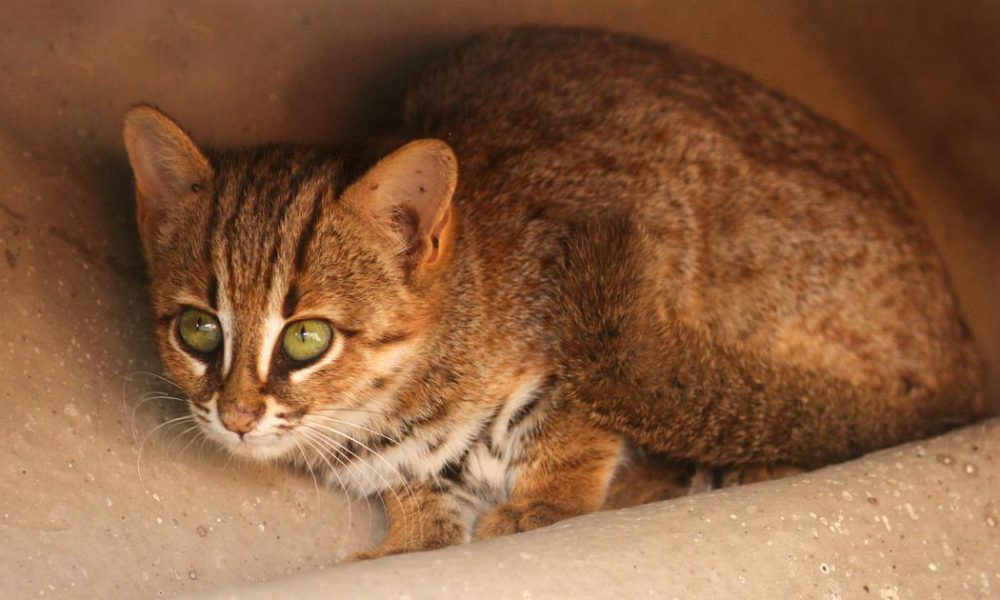
Recent findings from the Wildlife Institute of India have raised alarm over the safety of the rusty-spotted cat (Prionailurus rubiginosus), the world’s smallest wild cat species. Two instances of roadkill involving this elusive feline were reported at the National Chambal Sanctuary in Etawah, Uttar Pradesh. These incidents mark the first recorded sighting of the rusty-spotted cat in southern Uttar Pradesh, as detailed in a research paper published in the Journal of Threatened Taxa in May.
According to Vishnupriya Kolipakam, a scientist associated with the Wildlife Institute and co-author of the study, the documentation of these cases is particularly significant given the underreported nature of roadkill data concerning small carnivores. The detection of these cats was largely coincidental, highlighting the need for more comprehensive monitoring of wildlife in India. Kolipakam noted, “While these records expand the known territorial range of the rusty-spotted cat, the sanctuary itself is already within its distribution area. This species has been previously observed in regions surrounding Chambal, including Kuno, Rangarh-Vishdhar, Ranthambhore, and Dholpur.”
This revelation is part of a broader trend concerning the survival of the rusty-spotted cat, which is primarily nocturnal and has been difficult to observe in its natural habitat. Despite its elusive nature, recent studies have compiled data on roadkill incidents, indicating that threats to its population are on the rise. Notably, there were nine recorded cases of roadkill involving this species in the Saurashtra Peninsula of Gujarat between 2016 and 2024, along with four cases from Rajasthan documented between 2000 and 2020. Additionally, similar occurrences have been noted in Nepal, where the rusty-spotted cat was first identified in 2016.
As urban development continues to expand across India, the risks to wildlife are becoming increasingly pronounced. Roads, while vital for transportation and connectivity, pose a significant danger to smaller wildlife species like the rusty-spotted cat. The preservation of their natural habitats is crucial for the survival of such species, especially as human encroachment leads to habitat fragmentation and increased instances of animals venturing onto roads.
Conservationists are now calling for more focused efforts to monitor and protect these vulnerable populations. This includes enhancing road safety measures, creating wildlife corridors, and raising public awareness about the importance of preserving such rare species. The findings from this study serve as a wake-up call to policymakers and wildlife enthusiasts alike, emphasizing the urgent need for action to prevent further roadkill and protect India’s rich biodiversity.
Source: scroll.in






No Comment! Be the first one.