

Rethinking Enlightenment Ideals: A New Book Challenges Their Universality
The Enlightenment period is often celebrated for its profound impact on modern democratic ideals, advocating concepts like liberty, equality, and natural rights. However, a newly published book...

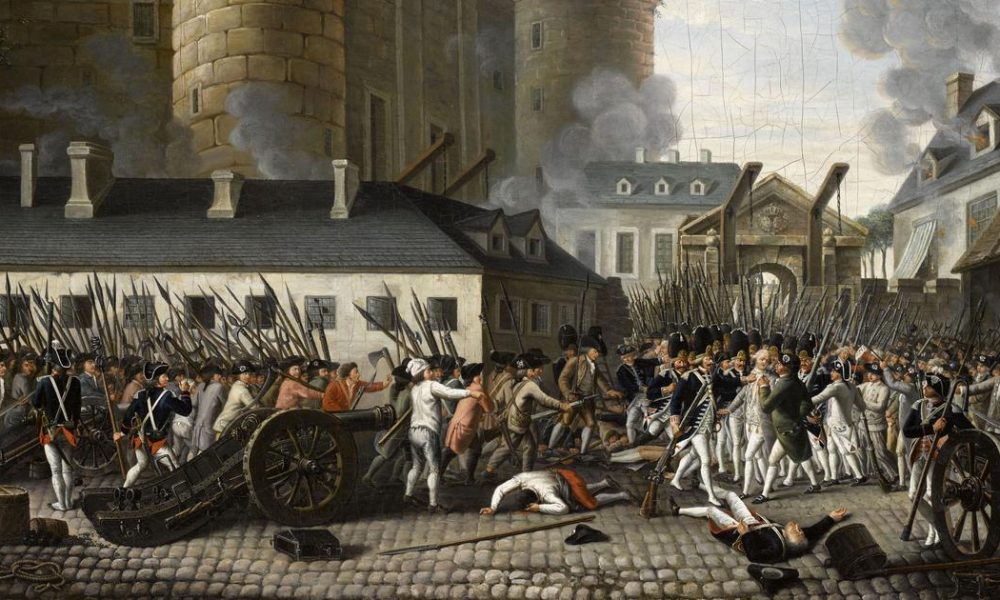
The Enlightenment period is often celebrated for its profound impact on modern democratic ideals, advocating concepts like liberty, equality, and natural rights. However, a newly published book highlights a troubling contradiction in the application of these principles, particularly through the lens of the American Revolution. While the Revolution was heralded as a triumph of Enlightenment values, it simultaneously coexisted with abhorrent practices such as chattel slavery, raising crucial questions about the universality of these ideals.
In examining the American Constitution, which emerged as a pivotal embodiment of Enlightenment thoughts, the book argues that it reflects a selective interpretation of universality. The Constitution’s notorious provision to classify enslaved individuals as only three-fifths of a person for representation purposes starkly illustrates how these so-called universal principles were deeply intertwined with a racially stratified society. This duality underscores a significant flaw in the Enlightenment narrative, suggesting that its ideals were not as inclusive as they professed to be.
One of the more poignant critiques of this inconsistency comes from Solomon Northup’s memoir, “Twelve Years a Slave.” Northup, who was born a free Black man but later subjected to slavery, eloquently challenged the notion of American democracy as a bastion of freedom while it simultaneously permitted the institutionalization of slavery. His personal account serves as a powerful reminder of the stark divide between the Enlightenment’s lofty aspirations and the harsh realities faced by marginalized communities.
The implications of this discussion extend beyond the American context, resonating with contemporary issues in various parts of the world, including India. As the nation grapples with its own historical injustices and social inequalities, the examination of Enlightenment ideals invites a broader reflection on how these principles can be applied universally in diverse cultural contexts. It raises the question of whether the values espoused during the Enlightenment can truly be claimed to belong to all, or if they remain tainted by selective narratives that continue to exclude significant sections of society.
As readers engage with this critical reassessment, it becomes essential to recognize that ideals of freedom and equality must be continually re-evaluated and expanded to ensure they are genuinely universal. The discourse surrounding the Enlightenment and its legacy demands a nuanced understanding that acknowledges both its contributions and its limitations in the fight for justice and equality for all individuals.
Source: scroll.in







No Comment! Be the first one.