

Understanding Iran’s Grand Strategy: The Impact of Historical Trauma on Its Statecraft
In the backdrop of the ongoing tensions between Iran and the United States, the insights from Vali Nasr’s book, ‘Iran’s Grand Strategy: A Political History,’ offer a crucial...

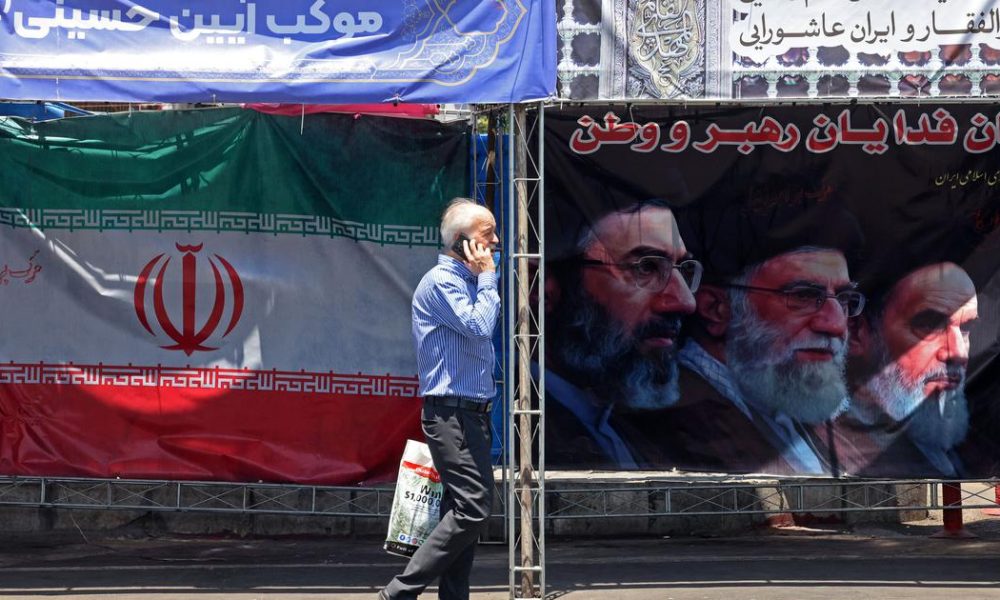
In the backdrop of the ongoing tensions between Iran and the United States, the insights from Vali Nasr’s book, ‘Iran’s Grand Strategy: A Political History,’ offer a crucial perspective. This work delves into the complexities of Iran’s national strategy, emphasizing that it is not merely ideologically driven but deeply influenced by a historical collective memory. This memory encompasses a long history of invasions, humiliation, and foreign meddling, which have fostered a persistent fear of national disintegration.
Nasr contends that the Islamic Republic perceives itself as both isolated and vulnerable due to its geographic positioning amid Arab Sunni states. This sense of vulnerability is compounded by a strong cultural identity that is uniquely Persian and intertwined with Shi’ism. The establishment of Shi’ism as the state religion under the Safavid dynasty, particularly during Shah Ismail I’s reign, served as a strategic maneuver to differentiate Iran from its Sunni neighbors, such as the Ottoman Empire and the Uzbek states. This melding of Persian nationalism with Shia theocracy has evolved into a distinctive feature of modern Iranian identity.
The Safavid rulers, by intertwining religious identity with political authority, created a regime that resonated profoundly with the populace. Nasr argues that this blend elevated their rule beyond mere kingship, embedding it with significant ideological and emotional weight. Over the centuries, however, this sentiment has morphed into a narrative of a civilization under siege, surrounded by perceived adversaries. This narrative continues to shape Iran’s foreign policy and its approach to international relations.
For Indian readers, understanding Iran’s grand strategy is essential, especially considering India’s historical ties with Iran and the broader implications for regional stability. The complexities of Iran’s identity and the political landscape have direct ramifications for its relationships with neighboring countries, including India. As Iran navigates its path amid geopolitical challenges, the lessons from its past provide valuable context for interpreting its current actions on the global stage.
In conclusion, Nasr’s analysis serves as a reminder that the motivations behind Iran’s foreign policy decisions cannot be fully understood without acknowledging the historical traumas that have shaped its national psyche. To grasp the intricacies of the Iran-U.S. standoff, one must consider how deeply embedded historical narratives influence modern statecraft.
Source: scroll.in






No Comment! Be the first one.