

Assam Faces Unprecedented Devastation from Floods: A Call for Resilience and Change
Every year, the northeastern state of Assam grapples with the wrath of floods, but the current deluge has reached alarming levels. With 97 lives lost and over 1.2 million individuals displaced, the...

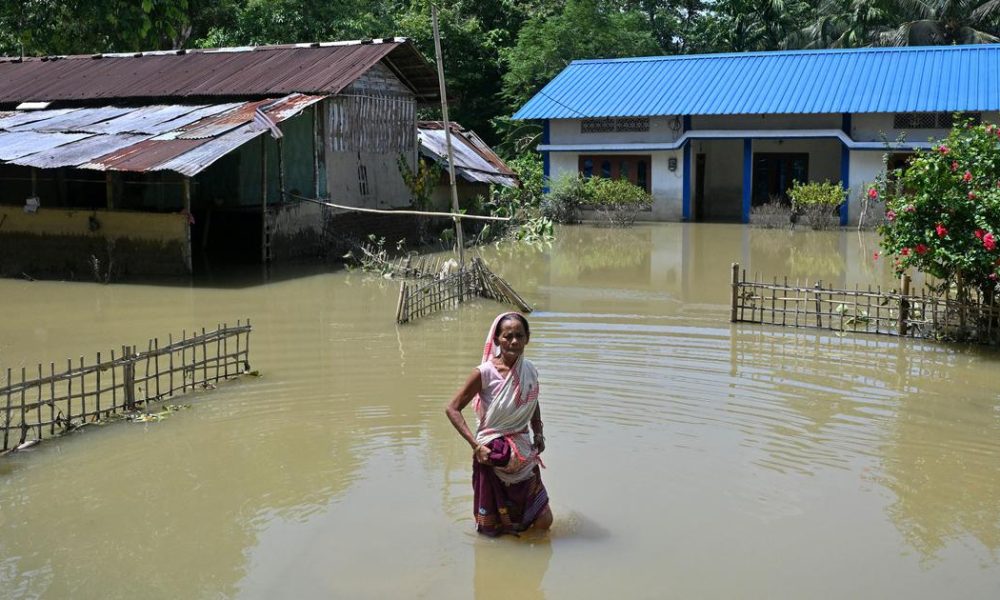
Every year, the northeastern state of Assam grapples with the wrath of floods, but the current deluge has reached alarming levels. With 97 lives lost and over 1.2 million individuals displaced, the floods have caused unprecedented havoc, particularly in Upper Assam’s Sivasagar and Charaideo districts, which have historically seen milder flood impacts.
The severity of this year’s flooding has prompted discussions among experts about underlying causes and necessary preventive measures. Mirza Zulfiqur Rahman, a researcher specializing in the Brahmaputra river basin and its climate dynamics, sheds light on the evolving nature of floods in Assam. He emphasizes that while floods are annual occurrences, the devastation witnessed this year necessitates a deeper understanding rather than labeling it merely ‘unprecedented.’
Rahman points out that the term ‘unprecedented’ often oversimplifies the complex relationship between environmental changes and flood occurrences. For instance, the floods that struck Kaziranga in 2020 had a similar intensity but largely impacted wildlife and limited human settlements. In stark contrast, the current floods have ravaged densely populated areas, leading to significant human suffering and loss.
According to Rahman, it is essential to reassess our approach to flood management in Assam. The historical patterns of flooding and the impact of various interventions on the river systems indicate that such devastating floods should no longer come as a surprise. He advocates for a shift in focus towards sustainable practices and better preparedness to mitigate the adverse effects of such natural disasters.
As Assam seeks to rebuild from this disaster, there is an urgent need for comprehensive strategies that address both immediate relief and long-term resilience. The state must consider innovative flood management practices combined with community awareness and preparedness initiatives. Only then can Assam hope to break the cycle of devastation caused by floods and foster a more resilient future.
Source: scroll.in







No Comment! Be the first one.