

RSS Chief Mohan Bhagwat Backs Youth Protests, Calls Them Patriotic
In a significant address in Mumbai, Mohan Bhagwat, the chief of the Rashtriya Swayamsevak Sangh (RSS), emphasized that youth protests should not be labeled as anti-national. Speaking to a gathering...

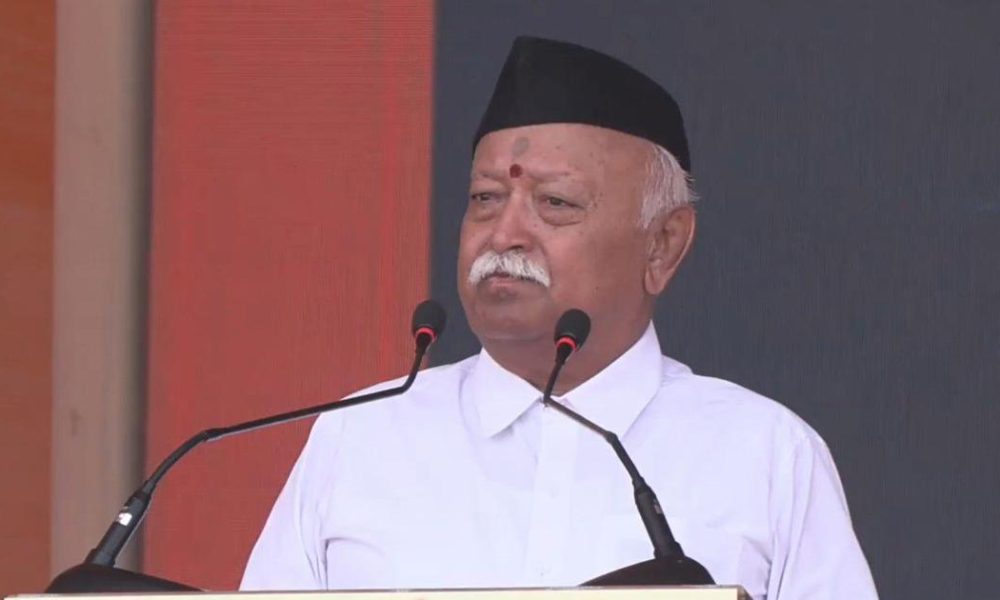
In a significant address in Mumbai, Mohan Bhagwat, the chief of the Rashtriya Swayamsevak Sangh (RSS), emphasized that youth protests should not be labeled as anti-national. Speaking to a gathering of over 2,000 students at the Nita Mukesh Ambani Centre, Bhagwat highlighted the legitimacy of the grievances expressed by the younger generation, acknowledging that these concerns reflect underlying issues within the current education system.
Bhagwat, who is also a prominent figure in the ideological framework of the Bharatiya Janata Party (BJP), articulated that today’s youth, particularly those belonging to the “Gen Z” and “Gen Alpha” demographics, are simply seeking logical explanations for their queries. He stated, “If the Gen Z is agitating, they certainly are not anti-nationals. They are our own people, our next generation.” This statement seeks to bridge the generational gap, suggesting that while older generations may have adhered to conventional norms, the present youth are more inclined to question authority and demand transparency.
During his speech, Bhagwat acknowledged the frustration among students, explaining that initial attempts to engage in dialogue with the government had not yielded the desired results. He argued that this disconnect has propelled many young people to express their discontent through protests, positioning such actions as a form of civic engagement rather than a betrayal of national unity. He further described the younger generation as “more honest” compared to their predecessors, urging them to choose peaceful role models and leaders who embody non-violence.
Bhagwat’s remarks come at a critical time when various youth-led movements are emerging across India, addressing issues ranging from environmental concerns to educational reforms. He noted that it is crucial for the government to listen to these voices and to increase public investment in the education sector, asserting that only through enhanced educational opportunities can the aspirations of the youth be realized. This call for investment reflects a broader concern about the quality of education and the need for systemic changes to better prepare the upcoming generations for the future.
As the conversation around youth activism continues to evolve, Bhagwat’s supportive stance may resonate with many young individuals struggling to find their place in a rapidly changing society. By acknowledging their right to protest, he not only empowers them but also invites a deeper dialogue on the role of youth in shaping India’s future.
Source: scroll.in






No Comment! Be the first one.