

Supreme Court Upholds Bail Conditions for Ashish Mishra in Lakhimpur Kheri Violence Case
In a significant legal development, the Supreme Court of India has declined to ease the bail conditions imposed on Ashish Mishra, who is the primary accused in the notorious Lakhimpur Kheri violence...

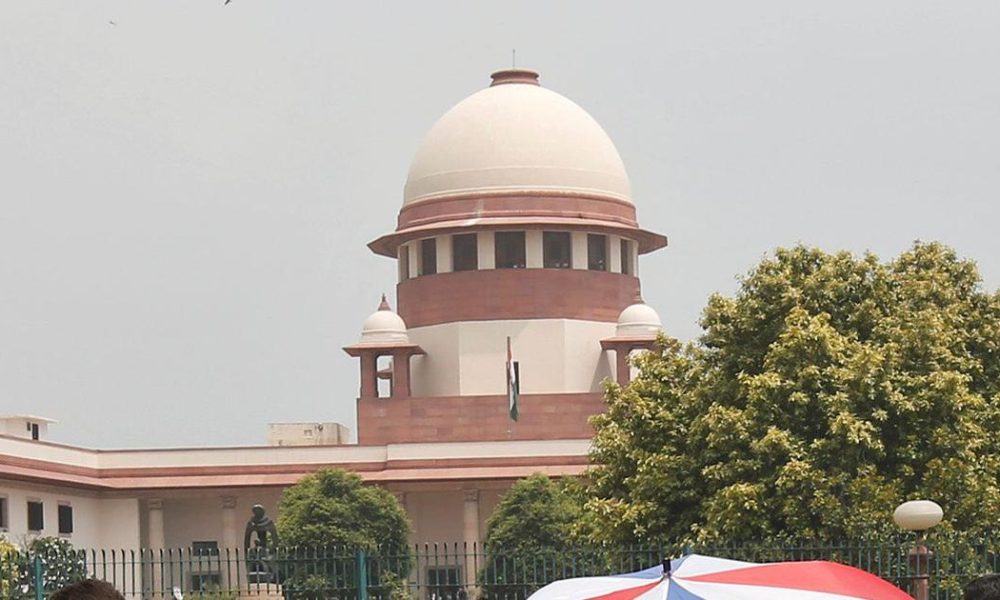
In a significant legal development, the Supreme Court of India has declined to ease the bail conditions imposed on Ashish Mishra, who is the primary accused in the notorious Lakhimpur Kheri violence incident of 2021. This decision was delivered on Thursday, following a plea from Mishra’s counsel, who argued that the current restrictions on his travel were preventing him from participating in important family events, such as his daughter’s birthday celebrations.
The bench, led by Chief Justice Surya Kant, firmly stated that there were insufficient grounds to revise the existing bail terms and subsequently dismissed the plea. This ruling underscores the court’s focus on the gravity of the case, which resulted in the tragic deaths of eight individuals during a protest against the now-repealed agricultural laws imposed by the Union government.
The violent incident took place on October 3, 2021, when a vehicle associated with Ashish Mishra allegedly drove into a group of farmers who were demonstrating against the controversial agricultural policies. At that time, Ashish Mishra was the son of Ajay Misra Teni, who served as the Union Minister of State for Home Affairs. The incident not only resulted in loss of life but also sparked widespread outrage and protests across the country.
Following the incident, Mishra was arrested on October 9, 2021. In a twist of events, the Allahabad High Court granted him bail four months later. However, the families of the deceased contested this ruling, leading to the Supreme Court revoking his bail in April 2022. The apex court, after setting aside the High Court’s decision, instructed that another bench hear Mishra’s appeal against the cancellation of his bail. In July 2022, this new bench also denied him bail, prompting Mishra to escalate the matter back to the Supreme Court.
This case has garnered significant media attention and public interest, not only due to its legal implications but also because it touches on broader themes such as farmer rights and governmental accountability. As the legal proceedings unfold, the Supreme Court’s steadfast approach towards bail conditions in cases involving severe allegations reflects its commitment to ensuring justice while balancing the rights of the accused.
Source: scroll.in






No Comment! Be the first one.