

Uncovering ‘Mayamata’: The Ancient Sanskrit Manual of Architecture and Design
The ancient Sanskrit text known as ‘Mayamata’ is a treasure trove of architectural wisdom attributed to the legendary architect Maya, often hailed as the “Architect of the...

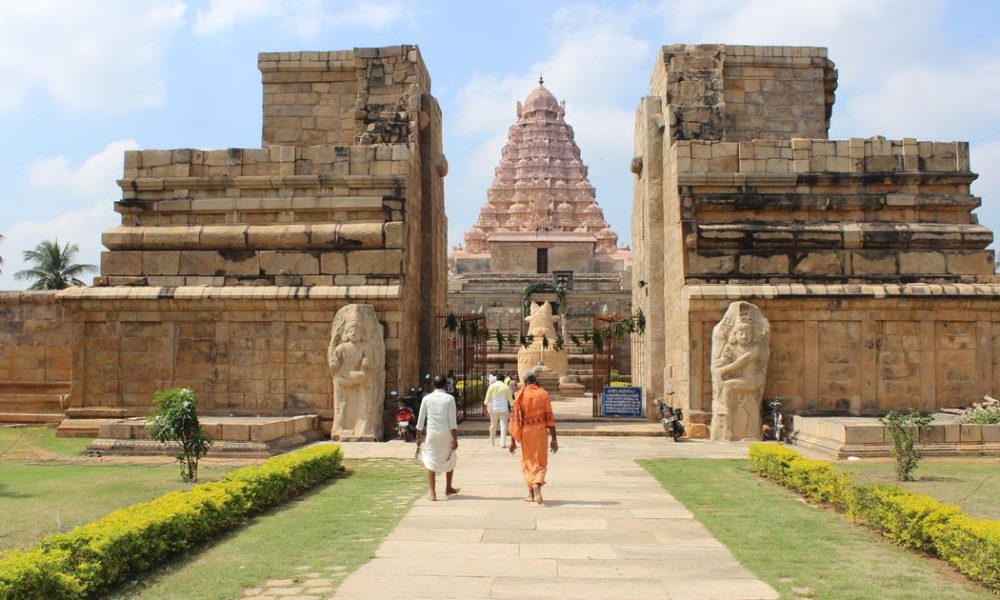
The ancient Sanskrit text known as ‘Mayamata’ is a treasure trove of architectural wisdom attributed to the legendary architect Maya, often hailed as the “Architect of the Gods.” This remarkable work delves into the art of construction, offering insights that resonate even in the modern era. With a total of 36 chapters and around 3,000 verses, ‘Mayamata’ serves as an essential guide for understanding the principles of design and structure, both earthly and celestial.
In the past, the construction of homes and cities required meticulous planning and profound knowledge, and ‘Mayamata’ holds the keys to these ancient practices. The text is structured into three main sections, each focusing on a different aspect of architecture. The first section emphasizes the importance of site selection, which is regarded as the foremost principle of ‘Vastu Shastra,’ the traditional Indian system of architecture. Understanding the land is critical, as it lays the foundation for any structure, from houses to grand temples.
The second part of ‘Mayamata’ shifts focus toward the various types of buildings, ranging from simple residential homes to imposing forts and magnificent temples. It encapsulates the intricacies involved in crafting strong, enduring structures that can withstand the test of time. This section serves as a historical reference for the techniques that ancient builders employed, particularly when working with heavy stones to create awe-inspiring temples that continue to stand today.
The final section of the text delves into additional constructions such as carriages, ornate furniture, and royal thrones. It does not stop at mere design; it also includes mathematical principles and scientific methods that underpin the construction process. This comprehensive approach makes ‘Mayamata’ not only a manual for aesthetics but also a guide to the logical and rational aspects of building.
As India continues to embrace its rich architectural heritage, the principles enshrined in ‘Mayamata’ remain relevant. They offer valuable lessons for contemporary architects, builders, and enthusiasts alike, reminding us of the importance of thoughtful design and respect for natural surroundings. Indeed, this ancient text serves as a bridge between the past and present, illuminating the path for future generations in the field of architecture.
Source: scroll.in







No Comment! Be the first one.