

US Lawmaker Claims Indian FCRA Amendment Threatens Christian Community and Bilateral Relations
In a recent statement, Congressman Riley Moore from West Virginia has raised alarms over proposed amendments to India’s Foreign Contribution Regulation Act (FCRA), suggesting that these changes could...

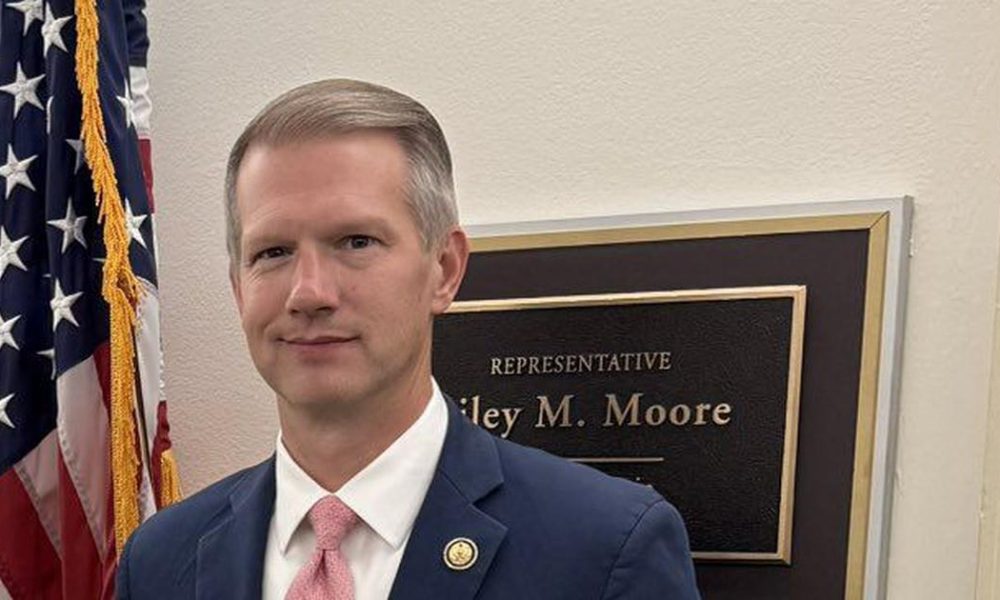
In a recent statement, Congressman Riley Moore from West Virginia has raised alarms over proposed amendments to India’s Foreign Contribution Regulation Act (FCRA), suggesting that these changes could jeopardize the longstanding relationship between the United States and India. The Congressman expressed concern that the Indian Parliament’s proposed revisions may enable government control over churches and religious organizations, specifically targeting their ability to accept foreign donations.
Moore emphasized the historical presence of Christianity in India, tracing its roots back to the arrival of St. Thomas the Apostle on the Malabar Coast shortly after the resurrection of Jesus Christ. He lamented that despite this rich heritage, the Indian government is contemplating rules that could facilitate the takeover of religious institutions by state authorities. “This is a clear attack against Christians,” he declared in a social media post, highlighting the potential ramifications for the bilateral relationship between Washington and New Delhi should the legislation advance unchallenged.
The FCRA, which mandates registration for non-profit organizations to receive foreign funds, has become a focal point of controversy as the Indian government seeks to amend its provisions. A significant aspect of the proposed changes includes a mechanism for the central government to seize control of an NGO’s foreign assets and funds in cases where its FCRA registration lapses or is revoked. This provision has raised eyebrows among various stakeholders, who argue it could undermine the operational independence of charitable organizations.
The proposed amendments were introduced during the Budget Session of Parliament in March, but they have yet to be ratified by either House. As discussions continue, the Ministry of External Affairs in India has not publicly commented on the implications of these changes or on Moore’s statements. However, the potential for strained relations is a topic that political analysts and observers are closely monitoring.
As the debate unfolds, it remains crucial for both countries to engage in dialogue to address concerns on both sides. The response from the Indian government and the subsequent reactions from civil society and international observers will likely shape the future of religious freedoms and international cooperation between India and the United States.
Source: scroll.in





No Comment! Be the first one.