

Exploring India’s Independence: Six Insightful Nonfiction Books Released in August
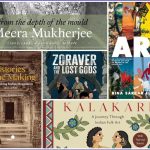
This August, a collection of nonfiction titles was released, shedding light on the intricate history of India’s independence and the diverse narratives that have shaped the nation over the past 79...


This August, a collection of nonfiction titles was released, shedding light on the intricate history of India’s independence and the diverse narratives that have shaped the nation over the past 79 years. These books not only delve into historical events but also explore the sociopolitical transformations that have occurred in the subcontinent since liberation.
One notable title is *DD Kosambi: One Life, Many Worlds* by Ram Ramaswamy. This biography pays tribute to the multifaceted figure of DD Kosambi, a man whose contributions spanned history, mathematics, and philosophy, yet remains underappreciated in contemporary discourse. Ramaswamy’s work contextualizes Kosambi’s intellectual journey within the turbulent socio-political landscape of India, illustrating how his radical ideas and scholarly achievements, including his pioneering work in differential geometry and genetics, have had lasting impacts. Despite his significant contributions, Kosambi often remains a name mentioned in admiration but seldom explored in depth.
Through the use of archival materials, personal letters, and family narratives, Ramaswamy unfolds the life of Kosambi, presenting him as a true polymath whose commitment to peace and environmentalism was as profound as his academic pursuits. The biography not only seeks to revive interest in Kosambi’s work but also encourages readers to reflect on the broader implications of his thought in today’s world.
Another compelling entry is *Rebel Bastar: History, Maoism and the Search for Answers in India’s Heartland* by Shantanu Nandan Sharma. This book offers a critical examination of the Maoist insurgency in central India, exploring its roots and ramifications for the tribal communities involved. Sharma’s analysis is both timely and necessary, as it attempts to unpack the complex interplay between history, ideology, and the socio-economic conditions that have led to the current state of affairs in Bastar. As the region grapples with issues of identity, resources, and governance, Sharma provides a nuanced perspective that resonates with ongoing debates about development and justice.
These titles are part of a growing literary trend that seeks to revisit and reinterpret the narratives of Indian independence and its aftermath. They challenge readers to reconsider established historical perspectives and highlight voices that have often been sidelined in mainstream discourse. As India continues to evolve, such explorations are vital for understanding the multifaceted identity of the nation and the diverse experiences of its people.
Source: scroll.in





No Comment! Be the first one.