

Tahir Hussain and Four Others Sentenced to Life for Murder of IB Staffer Amid 2020 Delhi Riots
A Delhi court has handed down life sentences to former Aam Aadmi Party (AAP) councillor Tahir Hussain and four co-defendants for their involvement in the murder of Ankit Sharma, an Intelligence...

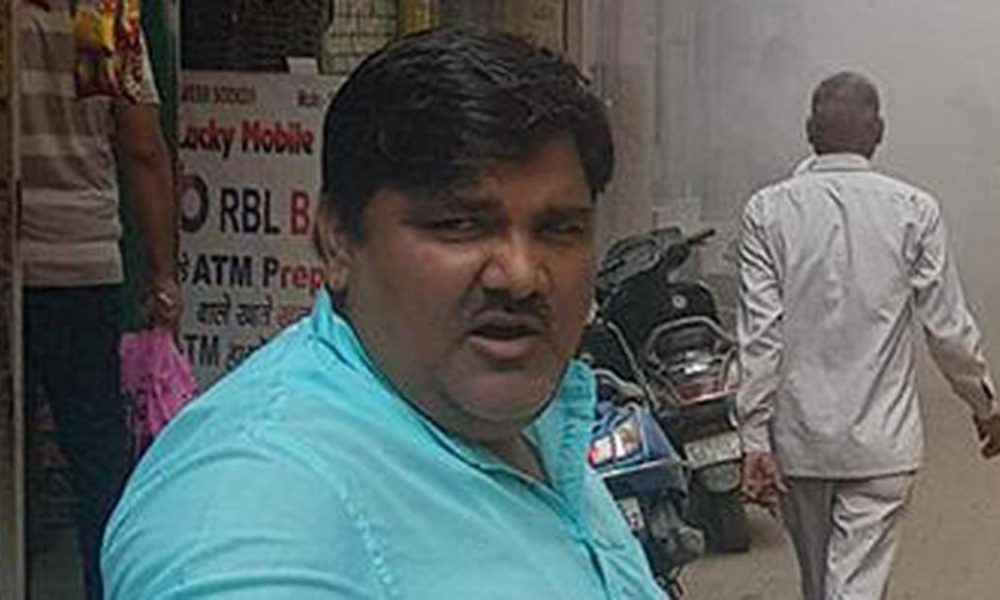
A Delhi court has handed down life sentences to former Aam Aadmi Party (AAP) councillor Tahir Hussain and four co-defendants for their involvement in the murder of Ankit Sharma, an Intelligence Bureau (IB) officer, during the violent riots that erupted in the capital in February 2020. The ruling came from Additional Sessions Judge Praveen Singh at the Karkardooma Court on Friday, marking a significant moment in the legal proceedings surrounding one of the most controversial incidents of the riots.
While the prosecution had sought the death penalty, arguing that Sharma’s murder was a premeditated act of brutality, Judge Singh ultimately decided against this more severe punishment. He emphasized that capital punishment should only be considered a last resort, noting that the defendants were not beyond rehabilitation. The judge characterized the violence of the crime as “nauseating and sickening,” highlighting the severity of the act while acknowledging the potential for reform in the convicted individuals.
The court’s decision was partially influenced by the absence of evidence indicating a history of violent behavior among the accused; their conduct during custody also played a role, as it was reported to be satisfactorily compliant, with only minor infractions. This aspect of the verdict suggests a nuanced approach, weighing the gravity of the crime against the possibility for change and adherence to societal norms in the future.
Ankit Sharma was brutally killed by a mob amid the communal tensions that engulfed parts of Delhi in 2020, resulting in widespread chaos and loss of life. The Delhi Police’s counsel argued fiercely for the death penalty, asserting that those who commit such heinous acts should face the ultimate consequences. However, the defense contended that the death penalty should be reserved for the rarest of rare cases, arguing for a more measured response to the convicts.
This case remains emblematic of the larger issues surrounding the Delhi riots, which were marred by allegations of political incitement and communal strife. The violence that unfolded not only resulted in tragic loss of life but also left a deep scar on the social fabric of the city. As the legal battles continue, this verdict serves as a reminder of the responsibilities that come with power and the pressing need for justice in a society grappling with the aftermath of violence.
Source: scroll.in






No Comment! Be the first one.