

BJP Faces Challenges Connecting with Gen Z Amid Viral Backlash on Social Media
On the night of July 23, Prime Minister Narendra Modi made a rare foray into the world of social media by posting a selfie-video on Instagram. However, instead of resonating with the youth, the video...

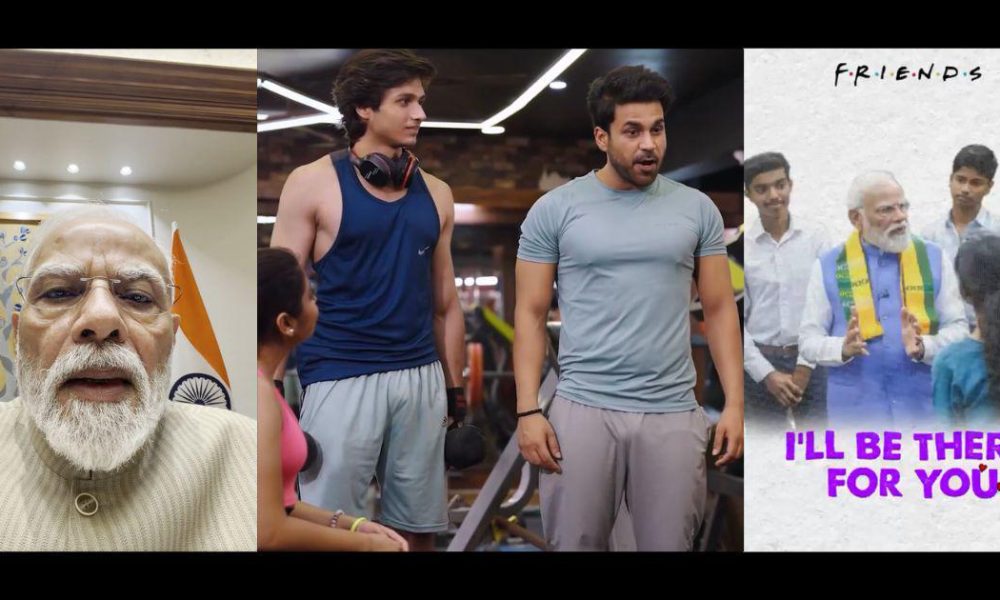
On the night of July 23, Prime Minister Narendra Modi made a rare foray into the world of social media by posting a selfie-video on Instagram. However, instead of resonating with the youth, the video quickly became a source of mockery, highlighting the Bharatiya Janata Party’s (BJP) struggle to engage effectively with Generation Z. The video aimed to address the frustrations of young Indians, particularly those involved in protests led by the newly formed Cockroach Janata Party, demanding the resignation of Education Minister Dharmendra Pradhan due to issues surrounding examination glitches and paper leaks.
The initiative was intended to connect with a demographic that has harnessed platforms like Instagram to mobilize for their cause. However, the execution fell short of expectations. Critics noted that the video lacked the vibrant visuals and engaging elements characteristic of successful short-form content. Many pointed to the PM’s slow delivery and the awkward framing of the shot as detrimental to its impact, reflecting a disconnect with the preferred communication style of today’s youth.
Despite the intent behind the video, it quickly went viral—but not in the way the BJP had hoped. Within 24 hours, the clip shattered viewing records, tallying over 300 million views. Yet, this surge was not a celebration for the ruling party; rather, it was driven by the unique dynamics of Instagram, where young users shared the video widely in private group chats, primarily to ridicule Modi’s stiff presentation. Many used the video as a canvas for memes, overlaying ironic soundtracks and creating reaction clips that further amplified the mocking sentiment.
While the BJP celebrated the impressive view count as a digital success, they missed the critical context surrounding it. The party’s inability to engage meaningfully with the concerns of the youth became evident, as the video was perceived not as a call to action but as an example of political disconnection. The ruling party’s efforts to reach out to Gen Z, who are inherently digital-savvy and prefer content that is quick, relatable, and authentic, were overshadowed by the misstep.
This incident serves as a stark reminder for political leaders: understanding the cultural nuances and communication styles of younger generations is essential in today’s digital landscape. As the BJP seeks to strengthen its rapport with young voters, it will need to adapt its messaging strategies to align more closely with the expectations and preferences of this pivotal demographic.
Source: scroll.in




No Comment! Be the first one.