

Madhya Pradesh Raises Moong Procurement Limit to 60% Amidst Farmers’ Protests
In a significant move following widespread protests by farmers, the Madhya Pradesh government has raised the procurement limit for moong from 25% to 60% of the state’s estimated crop. This...

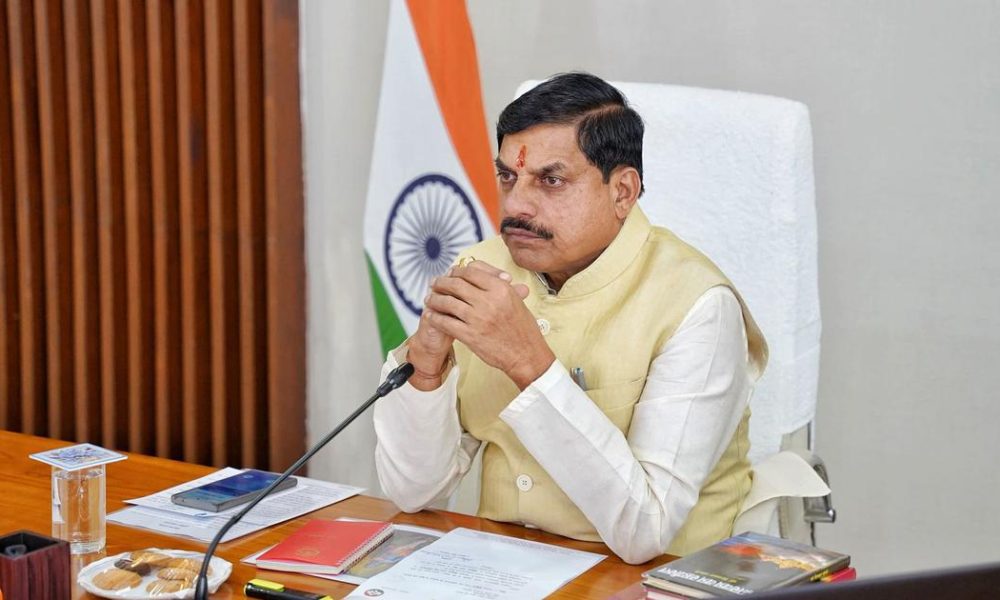
In a significant move following widespread protests by farmers, the Madhya Pradesh government has raised the procurement limit for moong from 25% to 60% of the state’s estimated crop. This decision comes after thousands of farmers marched toward the residence of Chief Minister Mohan Yadav in Bhopal, demanding full procurement of moong at the minimum support price (MSP).
The farmers, represented by various organizations under the banner of the Samyukta Kisan Morcha, initiated their protest on Monday from Sethani Ghat in Narmadapuram, about 75 kilometers away from Bhopal. They argued that while the Union government implemented full procurement policies for other pulses like tur, urad, and masur, moong was still subject to a capped procurement limit. This restriction forces farmers to sell a significant portion of their produce in the open market, often at prices lower than the MSP, leading to considerable financial distress.
On Wednesday, tensions escalated as farmers breached police barricades in multiple locations across the state capital, eventually reaching Polytechnic Square, which is located less than a kilometer from the chief minister’s residence. To manage the situation, authorities set up additional barricades and deployed buses to block the protesters’ path. However, after negotiations between farm leaders and Agriculture Minister Aidal Singh Kansana, the state government announced its decision to increase the procurement limit.
The increase to 60% reflects a response to mounting pressure from the agricultural community, which has been vocal about the unfair pricing mechanisms surrounding their produce. Farmers have expressed concerns that the lower procurement limits not only compromise their incomes but also expose them to the volatility of the open market, which is influenced by fluctuating demand and supply.
As discussions continue regarding the MSP and its implications for farmers’ livelihoods, this decision marks a pivotal moment in the ongoing struggle between the agricultural sector and governmental policies in India. Farmers hope that this move will lead to further reforms and better financial security, ensuring that their rights and interests are adequately protected in the future.
Source: scroll.in





No Comment! Be the first one.