

Rajya Sabha Passes Bill to Protect Vande Mataram from Insults
In a significant move, the Rajya Sabha approved a bill on Wednesday aimed at criminalising insults to the national song, Vande Mataram. The Prevention of Insults to National Honour Amendment Bill,...

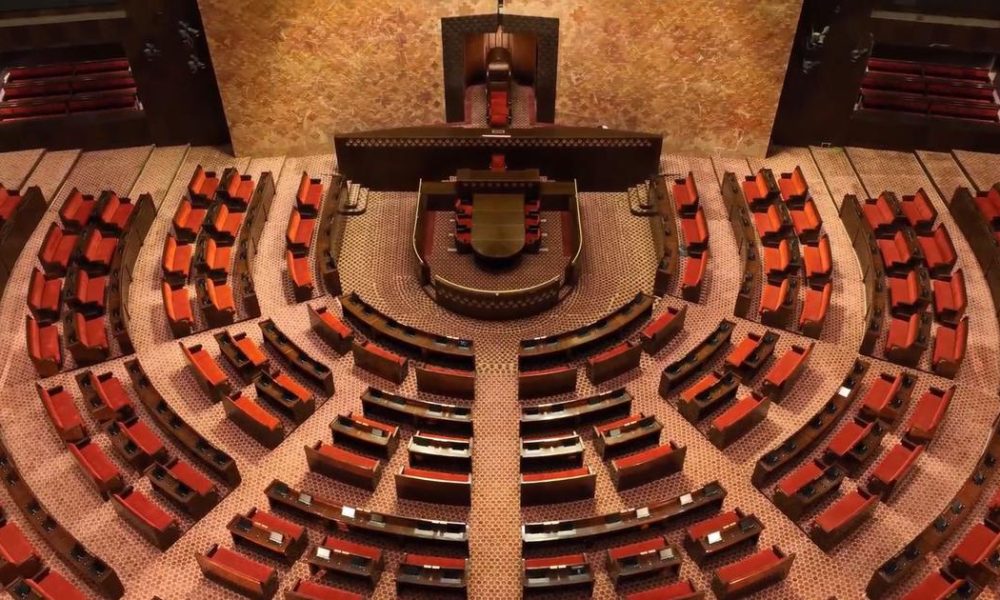
In a significant move, the Rajya Sabha approved a bill on Wednesday aimed at criminalising insults to the national song, Vande Mataram. The Prevention of Insults to National Honour Amendment Bill, 2026, was sanctioned through a voice vote amidst opposition protests. The dissenting members called for Union Home Minister Amit Shah to address concerns regarding police actions against demonstrators advocating for educational reforms last week.
Originally introduced in the Upper House just days prior, the bill seeks to provide Vande Mataram with the same legal safeguards as the national anthem, Jana Gana Mana. Under the proposed legislation, any individual found intentionally obstructing the singing of Vande Mataram or disturbing a gathering engaged in its rendition could face imprisonment for up to three years, a monetary fine, or both.
This amendment comes in the wake of existing laws established in 1971, which dictate that insults directed towards the national anthem, the flag, or the Constitution are punishable offenses, carrying similar penalties. The introduction of this bill has added a new dimension to the ongoing dialogue about national honour and the responsibilities of citizens towards their country’s symbols.
During the parliamentary discussion, Union Minister of State for Home Affairs Nityanand Rai accused the Congress party of disrespecting Vande Mataram through what he termed appeasement politics. Rai emphasised the historical significance of the song, noting that it were the last words uttered by numerous freedom fighters who dedicated their lives to India’s independence. This statement highlights the emotional and cultural weight associated with Vande Mataram, reinforcing the government’s rationale behind the legislative action.
The bill’s passage has reignited debates around national identity, respect for cultural symbols, and the implications of political dissent. Critics argue that while protecting national honour is paramount, care must be taken to ensure that freedoms of expression and protest remain intact. As India navigates the complexities of cultural preservation and political discourse, the implications of this bill could resonate beyond the parliamentary proceedings, influencing how citizens engage with national symbols in the public sphere.
Source: scroll.in







No Comment! Be the first one.