

A Poignant Reflection on the Disappearance of Sparrows in Urban India
In a touching poem that resonates with many, the author recalls childhood memories of chasing sparrows, known locally as ‘chidiyas,’ around the home. These small, vibrant birds once...

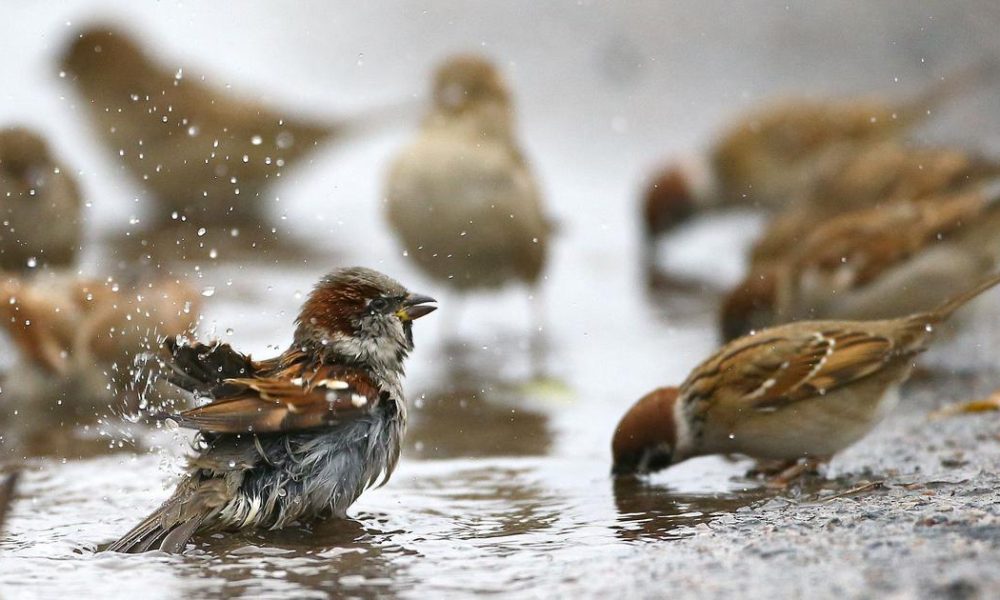
In a touching poem that resonates with many, the author recalls childhood memories of chasing sparrows, known locally as ‘chidiyas,’ around the home. These small, vibrant birds once filled Indian households with life and joy, effortlessly flitting about as they nestled into the corners of everyday life. The poem articulates a longing for the simpler times when the presence of sparrows was a common pleasure, illustrating the deep connection that existed between humans and these feathered inhabitants.
As the poem unfolds, it delves into the stark reality of our changing world, marked by environmental degradation and a significant decline in sparrow populations. The poet reflects on a personal loss—a memory that is fading with each passing year, as both the poet and his children have become increasingly distanced from these creatures. Once thriving in urban landscapes, sparrows have become a rare sight, prompting a collective sense of grief and nostalgia among those who remember the chirpy serenade of their presence.
The author poignantly captures the essence of absence, stating, “Awake, you are an absence I endure.” This line echoes the sentiment felt by many in modern India, where the disappearance of sparrows symbolizes a larger ecological crisis. The poem goes beyond mere nostalgia, highlighting a pressing concern: the urgent need to preserve the delicate balance of urban ecosystems. As cities expand and pollution increases, the plight of the sparrow serves as a reminder of what we stand to lose.
In a heartfelt plea, the poet expresses a desire to bring back the sparrows to his balcony, yearning for a world where these birds can flourish once more. He imagines a future where the presence of sparrows would signify a return to harmony, suggesting that the revitalization of nature is not just a dream but a necessity for the well-being of urban dwellers. The mention of Saint Anthony as a guardian for these birds adds a layer of hope, invoking the belief that spiritual and environmental restoration can coexist.
Ultimately, the poem encapsulates the bittersweet reality of living in a rapidly changing environment. While the poet acknowledges that two sparrows may not heal the world’s wounds, the longing to coexist with nature remains strong. The absence of sparrows is not just a personal loss but a reflection of a broader, almost existential crisis facing humanity. As India grapples with the impact of urbanization and climate change, this poignant reminder calls us to rethink our relationship with nature and the importance of preserving the living tapestry that surrounds us.
Source: scroll.in






No Comment! Be the first one.