

US Imposes New Tariff on Indian Imports Over Forced Labour Concerns
In a significant move that could have wide-ranging implications for trade relations, the United States has announced a 10% tariff on goods imported from India, among 16 other nations, due to concerns...

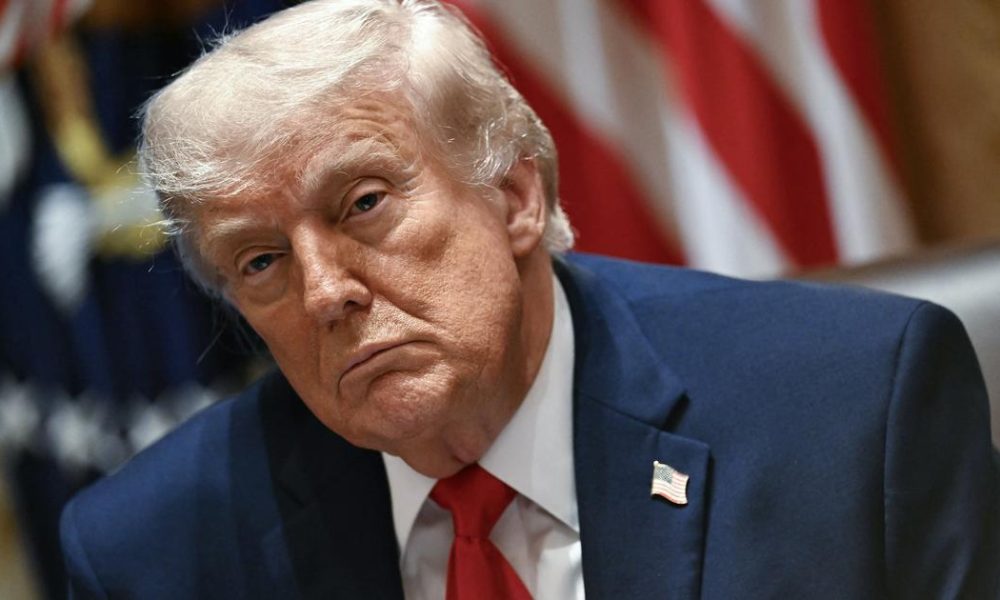
In a significant move that could have wide-ranging implications for trade relations, the United States has announced a 10% tariff on goods imported from India, among 16 other nations, due to concerns over forced labour practices in their production processes. This policy shift was officially revealed on Thursday, just ahead of the expiration of previously imposed temporary tariffs on all U.S. trade partners.
United States Trade Representative Jamieson Greer stated that the tariff is part of a larger initiative that affects imports from 60 countries. This action falls under a provision of the U.S. Trade Act aimed at addressing unfair trade practices that impact American commerce. Greer emphasized that the decision was made at the direction of President Donald Trump, targeting economies that have not taken sufficient steps to eliminate goods made with forced labour.
The backdrop of this development dates back to June when the U.S. Trade Representative proposed additional tariffs ranging from 10% to 12.5% on imports from 60 economies, including India. The rationale behind this measure is rooted in allegations that several countries are not doing enough to prevent the importation of products linked to forced labour. The new tariff structure stipulates that countries demonstrating a commitment to prohibiting such imports will be charged 10%, while those lacking effective enforcement will incur a higher tariff of 12.5%.
In response to these international concerns, India amended its foreign trade policy in June to officially prohibit the importation of goods produced through forced labour. However, the U.S. administration has deemed these measures insufficient, leading to the recent tariff imposition. This situation raises important questions about the potential repercussions for bilateral trade and India’s broader economic relations with the U.S.
The introduction of the 10% tariff could affect various sectors within India, especially textiles and manufacturing, which are significant contributors to its economy. As the global scrutiny over ethical production practices intensifies, Indian businesses may need to reassess their compliance strategies to align with international norms. The coming weeks will be crucial for understanding how both the Indian government and businesses navigate these new trade challenges while attempting to preserve their standing in the U.S. market.
Source: scroll.in







No Comment! Be the first one.