

The Crisis of Antibiotic Resistance in India’s Overburdened Hospitals
In recent years, the alarming trend of antibiotic resistance in India has come to the forefront, highlighting the precarious state of public health in the country. Dr. Krish Nair, a physician from...

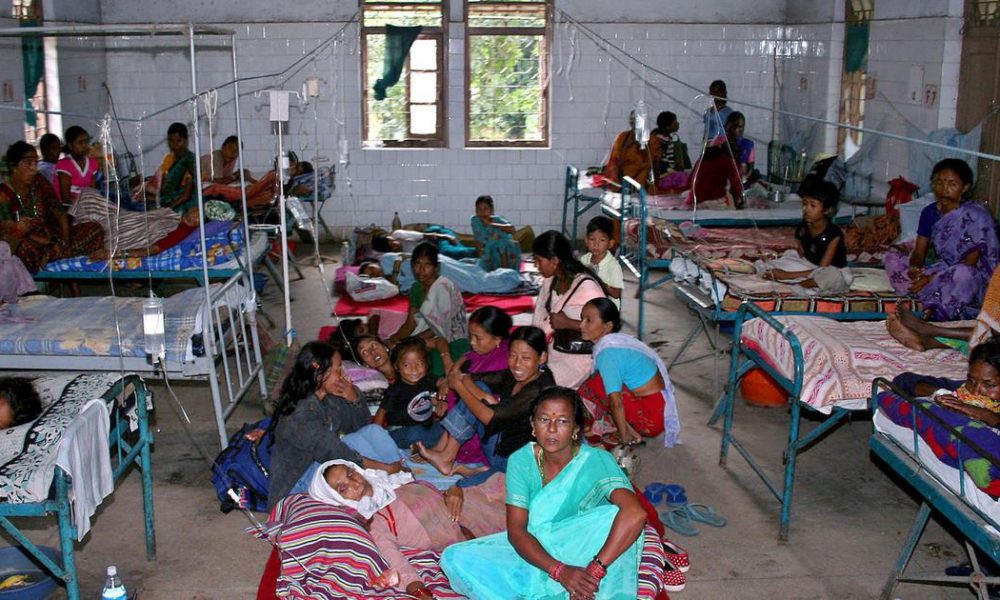
In recent years, the alarming trend of antibiotic resistance in India has come to the forefront, highlighting the precarious state of public health in the country. Dr. Krish Nair, a physician from Hyderabad, reflects on the issue, noting, “When I was an undergraduate, amoxicillin was the drug of choice. It doesn’t work anymore… Now everybody knows that resistance is only increasing.” While his assertion about amoxicillin may be somewhat exaggerated, it underscores a growing concern within India’s healthcare system, where antibiotics are becoming less effective at a time when they are needed the most.
The challenges facing India’s public hospitals are numerous and daunting. These institutions often operate under conditions of extreme overcrowding and underfunding, with medical professionals struggling to manage an influx of patients amidst limited resources. The reliance on antibiotics has escalated as doctors grapple with not only the rising rates of resistance but also the urgent responsibility to provide immediate care. In this environment, antibiotics serve as a critical, albeit overutilized, tool in saving lives.
With many hospitals lacking adequate diagnostic facilities and basic infrastructure, physicians are caught in a precarious balancing act. They are tasked with optimizing antibiotic usage while simultaneously addressing the pressing need to treat patients effectively. The concept of overprescribing antibiotics has gained prominence, especially with the backdrop of increasing resistance, yet the urgency to ensure patient survival often leads to the very practices that contribute to the crisis.
The consequences of this overreliance on antibiotics extend beyond individual patients. As more people develop resistance, the effectiveness of these drugs diminishes, creating a ripple effect that threatens public health on a national scale. Experts warn that if not addressed, the situation could lead to a future where common infections become untreatable, with dire implications for mortality rates and healthcare costs.
To combat this escalating crisis, stakeholders within the Indian healthcare system must prioritize initiatives aimed at educating both medical professionals and the public about responsible antibiotic use. Implementing better diagnostic tools, investing in healthcare infrastructure, and developing policies that encourage prudent prescribing practices are essential steps in mitigating the impact of antibiotic resistance. Only through a comprehensive approach can India hope to preserve the efficacy of antibiotics for future generations.
Source: scroll.in







No Comment! Be the first one.