

US Strategic Shift Signals New Dynamics in South Asian Geopolitics
In a significant pivot that alters the landscape of South Asian geopolitics, the United States has reassessed its military command structure, reverting the ‘Indo-Pacific Command’ to its original...

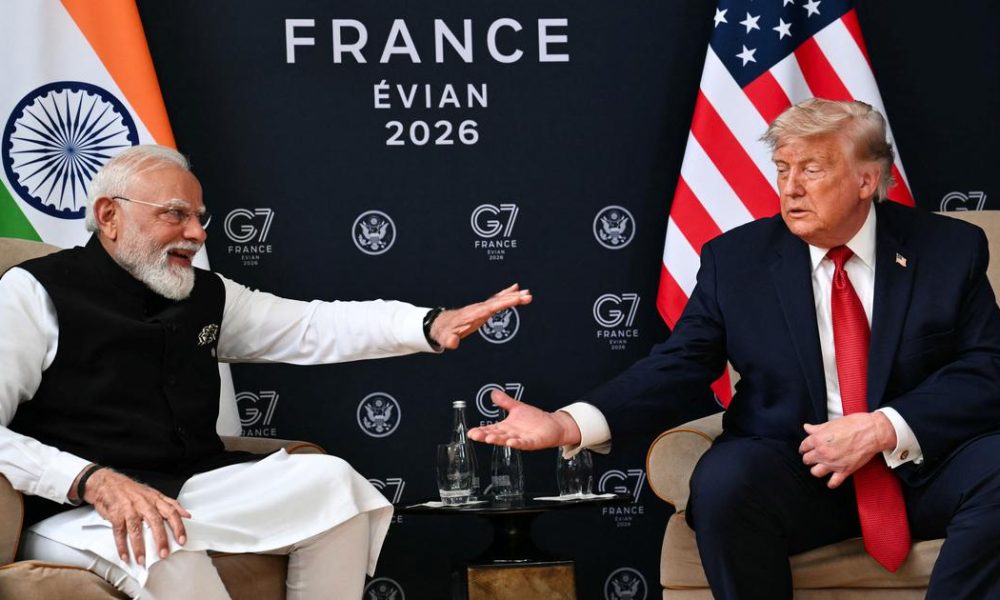
In a significant pivot that alters the landscape of South Asian geopolitics, the United States has reassessed its military command structure, reverting the ‘Indo-Pacific Command’ to its original designation of the US Pacific Command (USPACOM). This change effectively dismantles the 2018 policy that sought to unify American maritime interests across the Pacific and Indian Oceans, thereby signaling a shift in focus for US strategic priorities.
The restructured USPACOM now positions the Indian Ocean primarily as a secondary area of interest, indicating that Washington is re-evaluating its relationships in the region. This move reflects an overarching strategy that prioritizes its ties with nations like China and Pakistan over its partnership with India. Despite this apparent demotion, India seems unperturbed and appears determined to affirm its alliance with the United States.
New Delhi is preparing to engage actively within the new command framework, aiming to showcase its commitment to a strategic partnership with Washington. This willingness to collaborate underscores India’s desire to remain an integral player in the geopolitical arena, even as the US recalibrates its focus toward the Pacific, a region rife with both critical flashpoints and influential nations, including its designated “near-peer” competitor, China.
America’s strategic realignment aims to bolster its presence in the Pacific, where it encounters significant geopolitical challenges from various actors, including Russia. This shift is not merely a change in nomenclature but a clear signal that the Pacific region has regained its status as the primary theater of US military and diplomatic engagement.
As India navigates this complex geopolitical landscape, it will need to adapt its strategies to ensure that its interests are not sidelined. The evolving dynamics between the US, China, and Pakistan could impose new challenges on India’s foreign policy. The nation’s ability to maintain its strategic autonomy while fostering deeper ties with the US will be critical as it seeks to uphold its position in regional affairs.
Source: scroll.in






No Comment! Be the first one.