

Understanding the Impact of a Weakening Rupee on Personal Finances in India
The phrase “the rupee is depreciating against the dollar” may seem like mere financial jargon, but it carries significant implications for your everyday expenses as an Indian consumer....

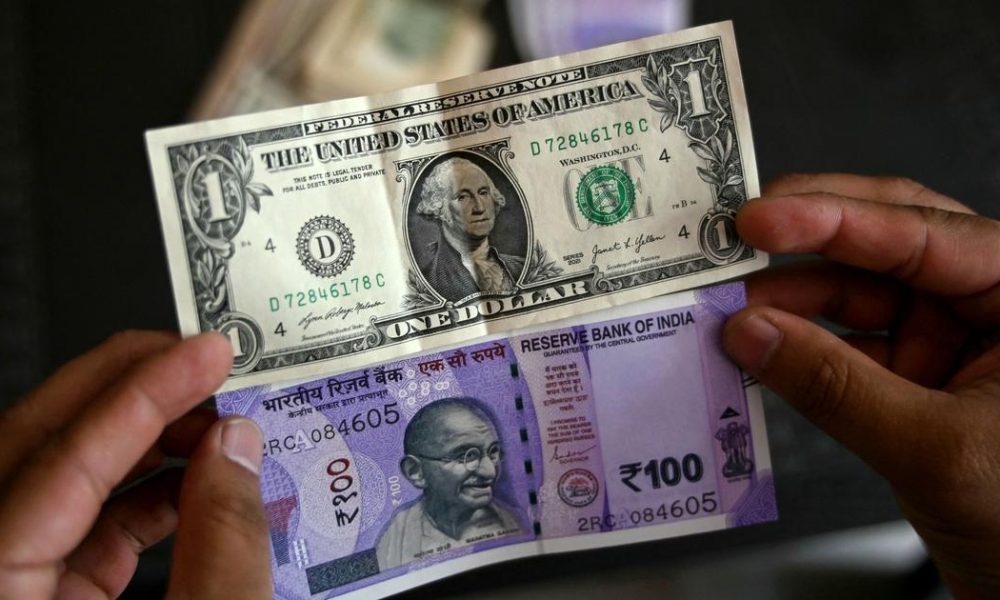
The phrase “the rupee is depreciating against the dollar” may seem like mere financial jargon, but it carries significant implications for your everyday expenses as an Indian consumer. Whether or not you are planning to travel abroad, the strength of the rupee directly affects what you pay for goods and services daily. Let’s delve into how this currency fluctuation influences personal savings and overall finances.
Every nation’s economy is tied to its currency, which plays a crucial role in international trade. When India imports goods—such as crude oil, electronics, or machinery—it must exchange its currency for the foreign currency (in this case, the US dollar). For instance, if the current exchange rate is 1 US dollar equating to Rs 75, and it rises to Rs 80 next month, it signals a depreciation of the rupee. Consequently, for the same dollar’s worth of goods, Indian importers now need to spend an additional Rs 5. This increase in cost inevitably trickles down to consumers, impacting household budgets.
The depreciation of the rupee leads to higher import costs, particularly since India imports a substantial amount of essential products, including fuel, cooking oil, smartphones, and various electronics. As these imported goods become pricier, consumers face escalating prices at the market. The situation creates a ripple effect where consumers, in turn, may have to reduce discretionary spending to accommodate the increased costs of essential goods.
Furthermore, this depreciation can also affect savings. As the cost of goods rises, individuals may find themselves saving less due to higher monthly expenses. Inflation, often spurred by increases in import prices, further reduces the purchasing power of the rupee, making it imperative for consumers to adapt their financial strategies. Budgeting becomes essential as families may need to prioritize spending on necessities over luxuries.
In conclusion, the depreciation of the rupee is not just a matter confined to economic discussions; it profoundly impacts the daily financial health of Indian households. Understanding these changes allows consumers to make informed financial decisions, adjusting their savings and spending habits accordingly. As the global economic landscape continues to evolve, being financially literate and aware of currency fluctuations can help mitigate the adverse effects on personal finances.
Source: scroll.in







No Comment! Be the first one.