

Uttar Pradesh Dairy Farmers Struggle Amid Rising Temperatures and Health Challenges
As the summer heat intensifies, dairy farmers in Uttar Pradesh are facing significant challenges, particularly in the Ayodhya district. Jagdish Agrahari, a local resident, began his dairy venture in...

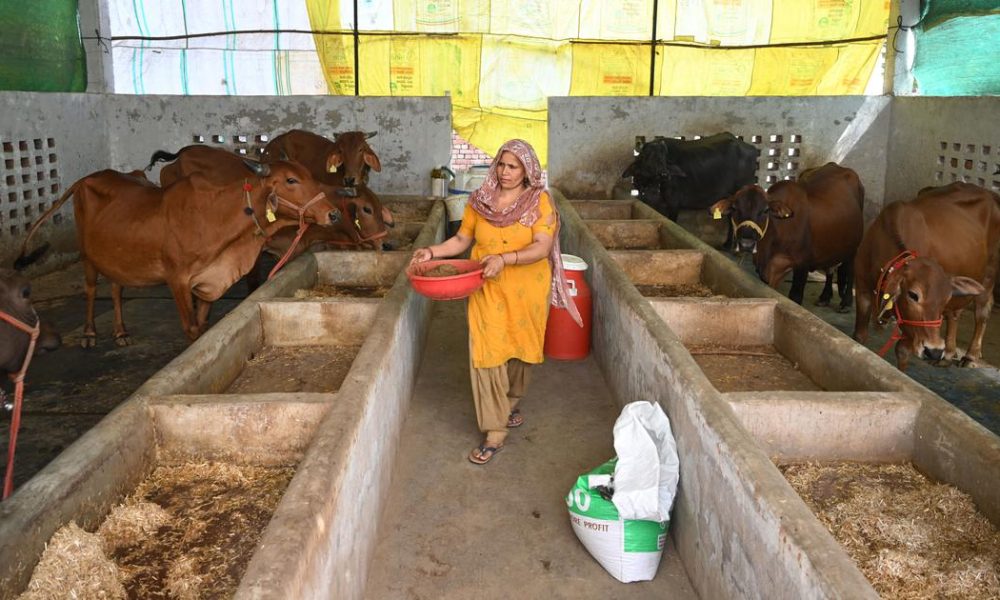
As the summer heat intensifies, dairy farmers in Uttar Pradesh are facing significant challenges, particularly in the Ayodhya district. Jagdish Agrahari, a local resident, began his dairy venture in August 2025 with the hope of supplementing his household income. He owns four Jersey cows, a Holstein Friesian, and three buffaloes. Unfortunately, the recent climatic shifts have taken a toll on his livestock, with his Jersey cows falling ill in March due to the sudden rise in temperatures. The medical expenses for treatment soared to Rs 20,000, a burden he can manage thanks to his family’s secondary income from a scrap shop. However, this is not the case for many farmers in the region.
Uttar Pradesh is home to approximately 80 million rural households that depend on dairy farming for their livelihoods, and many do not have the financial resilience to absorb such rising costs. Over the past two decades, these farmers have been instrumental in propelling India’s dairy sector to new heights, with milk production skyrocketing from around 80 million tonnes in the year 2000 to an impressive 239 million tonnes by 2023. Despite these successes, the adverse impacts of climate change are now threatening this progress.
A recent report released by the Council on Energy, Environment and Water, a think tank based in New Delhi, reveals alarming statistics regarding the effects of climate on cattle rearing. The study indicates that over half (54%) of buffalo farmers have experienced climate-related challenges affecting their animals. Additionally, it highlights that nearly half of those raising crossbred or exotic cattle have reported similar issues, along with 41% of farmers managing indigenous breeds. This trend raises concerns about the sustainability of dairy farming in the region.
The changing weather patterns not only affect the health of the animals but also have implications for the quality and quantity of milk production. Increased temperatures can lead to heat stress in cattle, reducing their milk yield and making them susceptible to diseases. Farmers are struggling to cope with these challenges while also managing their financial obligations, leading to a precarious situation for many.
As the dairy sector in India grapples with these challenges, it is vital for stakeholders to come together and explore sustainable practices and solutions. This could include adopting more resilient breeds, improving animal care practices, and enhancing access to veterinary services. Without proactive measures, the livelihoods of millions of farmers and the overall dairy economy of India could be at risk.
Source: scroll.in







No Comment! Be the first one.