

Exploring Tarashankar Bandyopadhyay’s ‘The Tale of Hansuli Turn’: A Reflection on River Preservation
Long before the construction of barrages and embankments, and before the involvement of global entities like the United Nations, the rivers of India were deeply intertwined with the lives of local...

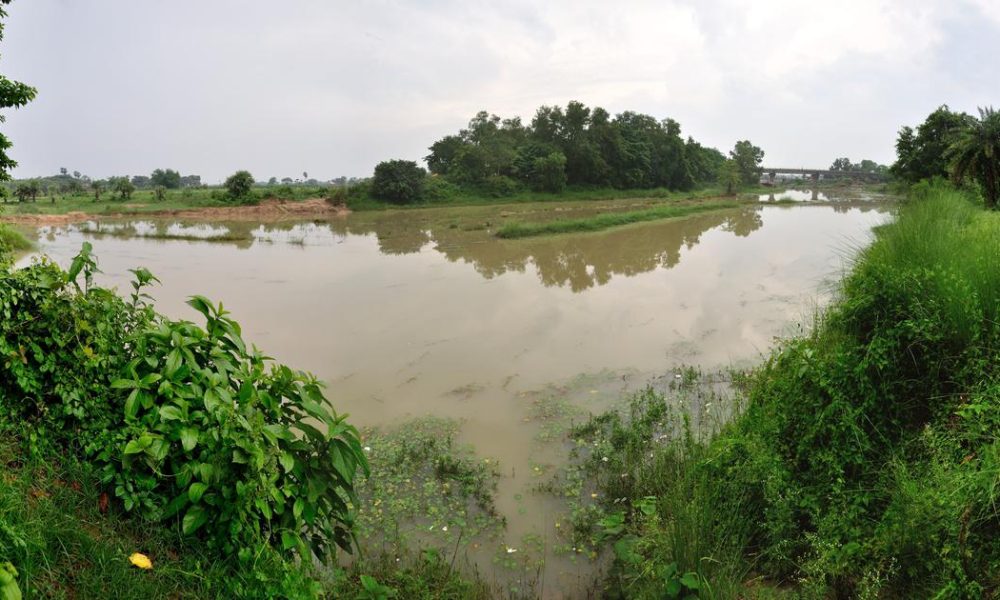
Long before the construction of barrages and embankments, and before the involvement of global entities like the United Nations, the rivers of India were deeply intertwined with the lives of local communities. One such poignant example is found at Hansuli Turn, a dramatic bend in the Kopai River located in West Bengal’s Birbhum district. Here, the Kahar community, historically marginalized and once reliant on the profession of palanquin bearers, has been significantly affected by the relentless march of modernity.
In this unique locale, a ritual unfolded annually before the monsoon rains—a sari tied securely around the roots of a babla tree. This act, far from being mere superstition, represented a profound understanding of river management. It illustrated a communal bond, reminding us that an embankment is not just a structure, but a vital connection between the people and the life-giving yet threatening waters of the river.
Tarashankar Bandyopadhyay’s seminal 1947 novel, Hansuli Banker Upakatha, which has been translated into English as The Tale of Hansuli Turn by Ben Conisbee Baer, encapsulates this fragile relationship and describes a world on the verge of transformation. The narrative unveils the urgency of questions surrounding the preservation of rivers, emphasizing their integral role in the socio-cultural fabric of rural India.
The tale not only highlights the ecological significance of rivers but also critiques the modern approaches to water management that often overlook the wisdom embedded in traditional practices. As the characters navigate their way through the impending changes brought about by industrial progress, readers are prompted to reflect on contemporary environmental challenges and the need for sustainable practices that honor local customs.
Bandyopadhyay’s work, thus, transcends its time, beckoning modern readers to reconsider the relationship between humanity and nature. It poses critical inquiries that remain relevant today: How can we honor the traditional knowledge of communities living by the riverbanks? What lessons can we learn from their experiences to safeguard our rivers for the future? As we face the realities of climate change and urbanization, the narrative serves as a powerful reminder of the importance of preserving our natural resources and the cultural practices that sustain them.
Source: scroll.in







No Comment! Be the first one.