

Cycling as a Solution for Pollution: Challenges Faced by Indian Cities
In a recent surge of advocates promoting cycling as a sustainable mode of transport, Indian cities are facing significant hurdles in making this vision a reality. With the looming threat of pollution...

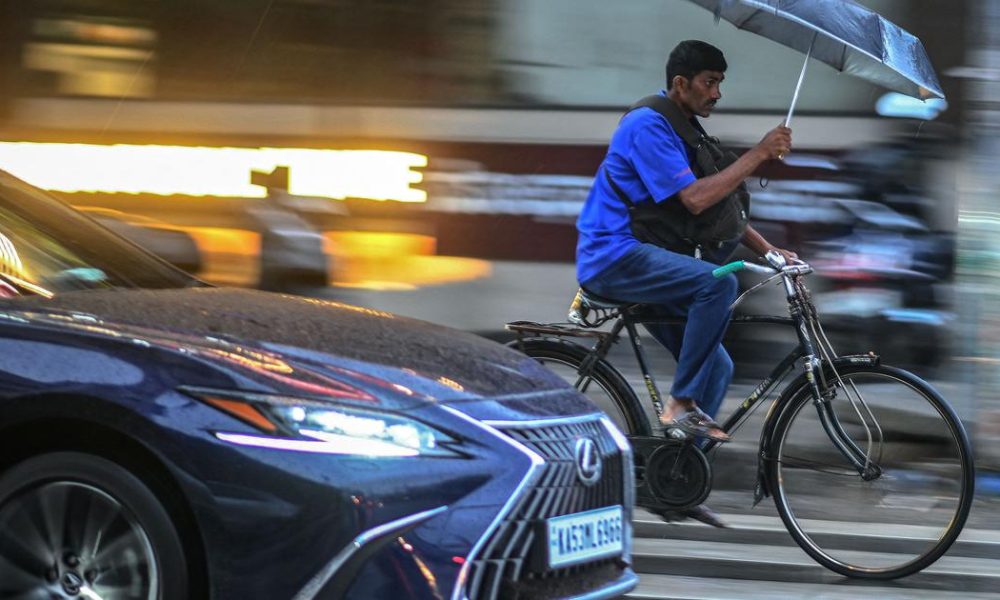
In a recent surge of advocates promoting cycling as a sustainable mode of transport, Indian cities are facing significant hurdles in making this vision a reality. With the looming threat of pollution and rising emissions, the call for a bicycle-friendly urban infrastructure has gained momentum. The BYCS India Foundation has been at the forefront of this initiative, urging political stakeholders to prioritize cycling in metropolitan areas, particularly in Delhi.
As 2025 unfolds, key figures such as Union Minister for Youth Affairs and Sports, Mansukh Mandaviya, are voicing their support for cycling as an effective strategy to combat pollution. Mandaviya articulated this perspective in August, emphasizing that cycling could play a crucial role in alleviating the dire environmental conditions faced by urban populations. Furthermore, officials like G Lakshmisha, the Collector of Andhra Pradesh’s NTR District, underscored the dual benefits of cycling: enhancing personal health and contributing to lower carbon emissions.
A growing body of research supports this notion, suggesting that promoting cycling can not only mitigate pollution levels but also align with global net-zero carbon objectives. However, a recent study published in Nature Cities paints a more complex picture, revealing systemic barriers that inhibit cycling culture in several low- and middle-income nations, including India. The study specifically analyzed cities such as Delhi and Chennai, as well as international counterparts Dhaka in Bangladesh and Accra in Ghana.
According to the 2025 World Air Quality Report by IQAIR, India is currently the sixth most polluted country, with Delhi ranking as the fourth most polluted city globally. This alarming statistic prompts a critical examination of the existing urban frameworks that have yet to accommodate cycling as a viable transport option. Despite the growing discourse around reducing vehicular emissions, there remains a substantial gap in physical infrastructure, policy formulation, and gender inclusivity vital for fostering a thriving cycling environment.
In urban India, discussions surrounding air quality often pivot to reducing emissions from motor vehicles, overshadowing the potential of cycling as a transformative solution. Without significant investment in dedicated cycling lanes, safety measures, and public awareness campaigns, the dream of a bicycle-friendly landscape may remain unattainable. As advocates push for a sustainable future, the challenge lies in overcoming entrenched societal and infrastructural barriers to make cycling an integral part of Indian urban life.
Source: scroll.in






No Comment! Be the first one.