

India Imposes Sugar Export Ban Until September to Stabilize Domestic Prices Amid Global Uncertainty
In a decisive move to control domestic sugar prices, the Indian government has announced an immediate ban on exports of raw, white, and refined sugar until September 30, 2023. This action comes on...

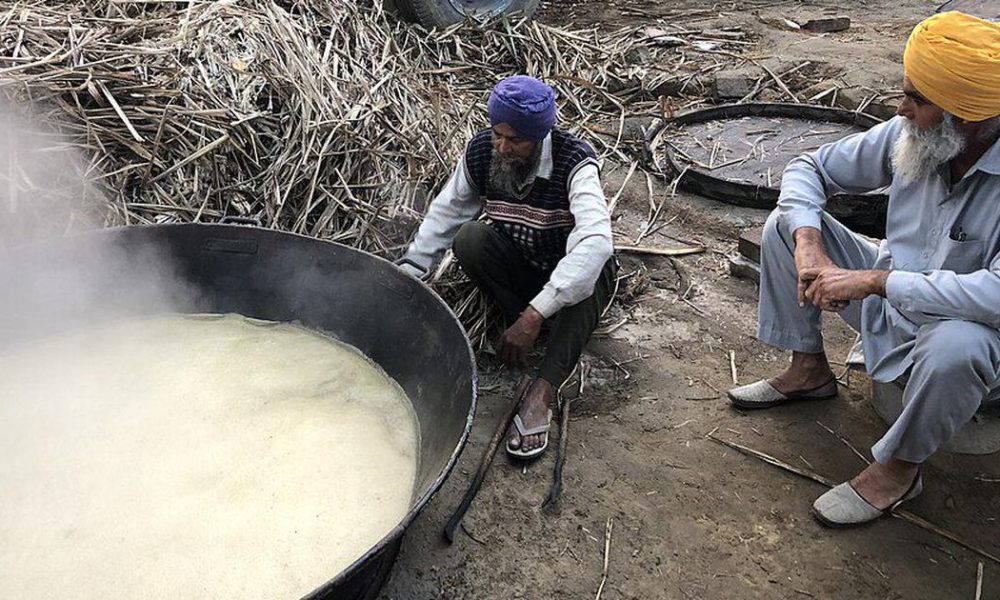
In a decisive move to control domestic sugar prices, the Indian government has announced an immediate ban on exports of raw, white, and refined sugar until September 30, 2023. This action comes on the heels of rising global uncertainties, particularly related to the ongoing conflict in West Asia, which has instigated concern over supply stability and price fluctuations in essential commodities.
As the world’s second-largest sugar producer, India plays a key role in the global sugar market, with domestic consumption exceeding production capabilities. The annual value of sugar output in India is estimated to surpass Rs 1 lakh crore, underscoring its significance not only in the agricultural sector but also in the broader economy. The recent decision to prohibit sugar exports reverses an earlier policy that permitted mills to export 1.5 million metric tonnes, based on predictions that production would outpace domestic demand. This shift reflects the government’s priority to ensure that local markets remain adequately supplied and that prices do not escalate further for consumers.
The Directorate General of Foreign Trade (DGFT) issued a notification on Wednesday, repositioning sugar exports from the “restricted” category to “prohibited.” This change aims to safeguard domestic availability amidst growing concerns about potential supply chain disruptions due to geopolitical tensions. The notification, however, states that some exports already in transit will be permitted under specific conditions. Notably, shipments that had begun loading prior to the announcement, vessels that had already docked at Indian ports, or sugar that had been handed over to customs authorities may still proceed.
The government has also indicated that exports to the European Union and the United States, which fall under existing quota agreements, will continue unaffected. This provision is crucial in maintaining India’s trade relations with these key markets while prioritizing domestic needs.
In addition to the sugar export ban, India’s recent increase in import tariffs on gold and silver from 6% to 15% signifies a broader strategy to mitigate import costs and bolster the Indian rupee amidst fluctuating foreign exchange reserves. These regulatory measures reflect the government’s proactive stance in addressing both domestic inflation and external economic pressures, aiming to create a balance between international trade commitments and local market sustainability.
Source: scroll.in







No Comment! Be the first one.