

India’s Steel Industry Faces Scrap Supply Challenges in Pursuit of Sustainability Goals
As nations strive for sustainable industrial practices, steel scrap has emerged as a critical resource for reducing carbon emissions in the steel production sector. India, recognized as the...

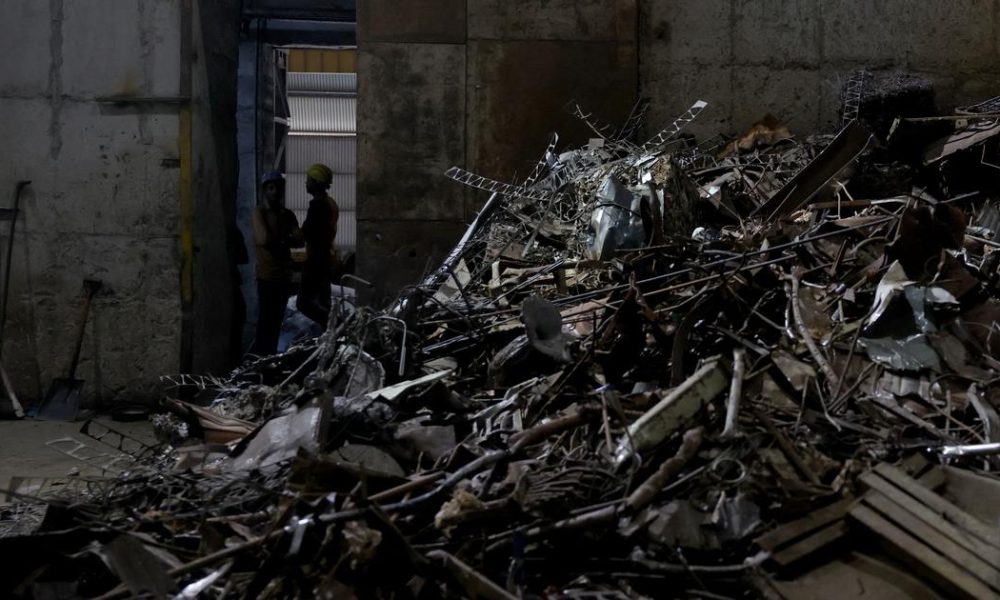
As nations strive for sustainable industrial practices, steel scrap has emerged as a critical resource for reducing carbon emissions in the steel production sector. India, recognized as the second-largest steel producer globally, has laid out bold plans to enhance the use of scrap steel, aiming to double its contribution to total steel output over the next few decades. However, the pressing question looms: where will this scrap come from?
Utilizing scrap steel effectively can lead to substantial emissions reductions, especially when integrated into electrified furnace processes. Furthermore, using scrap can decrease emissions from conventional blast furnaces by partially substituting iron ore, which involves carbon-heavy processing methods. Currently, coal-powered blast furnaces account for approximately 60% of India’s crude steel production capacity, and this percentage is expected to increase with various expansion initiatives. The iron and steel sector alone contributes about 10% to the country’s overall carbon emissions, highlighting the urgency to increase scrap usage.
India’s government envisions reaching a target where scrap accounts for 50% of the steel production by the year 2047, a significant increase from the current level of 23%. In conjunction with this goal, India is also planning to more than double its crude steel output to 400 million tonnes annually within the next decade. Despite this ambitious roadmap, the country faces significant challenges regarding the availability of domestic scrap metal. Currently, the supply remains limited, and the infrastructure for collecting and processing scrap is still evolving.
Industry leaders have emphasized the potential advantages of leveraging greater scrap usage, yet the path ahead is fraught with difficulties. To achieve the desired levels of scrap utilization, a robust collection and recycling system must be developed to ensure a steady supply. This entails not only enhancing existing frameworks but also encouraging community participation and investment in recycling technologies.
As India embarks on this transformative journey toward a more sustainable steel industry, the balance between ambitious targets and practical realities will be crucial. The success of these initiatives will not only impact environmental goals but also shape the future landscape of India’s steel sector, influencing global markets and trade.
Source: scroll.in







No Comment! Be the first one.