

Reflecting on the Mumbai Press Club: A Journey Through Activism and Journalism
The city of Mumbai, formerly known as Bombay, has witnessed significant transformations over the decades, particularly during the early 1980s when the winds of liberalization began to change the...

The city of Mumbai, formerly known as Bombay, has witnessed significant transformations over the decades, particularly during the early 1980s when the winds of liberalization began to change the socio-economic landscape of India. This era marked a shift from egalitarian principles towards the burgeoning ideology of a market-driven economy.
As Mumbai sought to enhance its appeal to foreign investors, a vigorous demolition campaign was launched to clear the makeshift homes of the city’s underprivileged residents. The narrative surrounding these demolitions painted the homeless as mere ‘eyesores,’ disregarding their substantial contributions to the urban fabric. In response to this pressing injustice, advocacy groups like the Peoples’ Union for Civil Liberties (PUCL) and the Lawyer’s Collective stepped in to defend the rights of the affected individuals. Their legal stand emphasized that the Right to Shelter is intrinsically linked to the Right to Life as enshrined in the Indian Constitution.
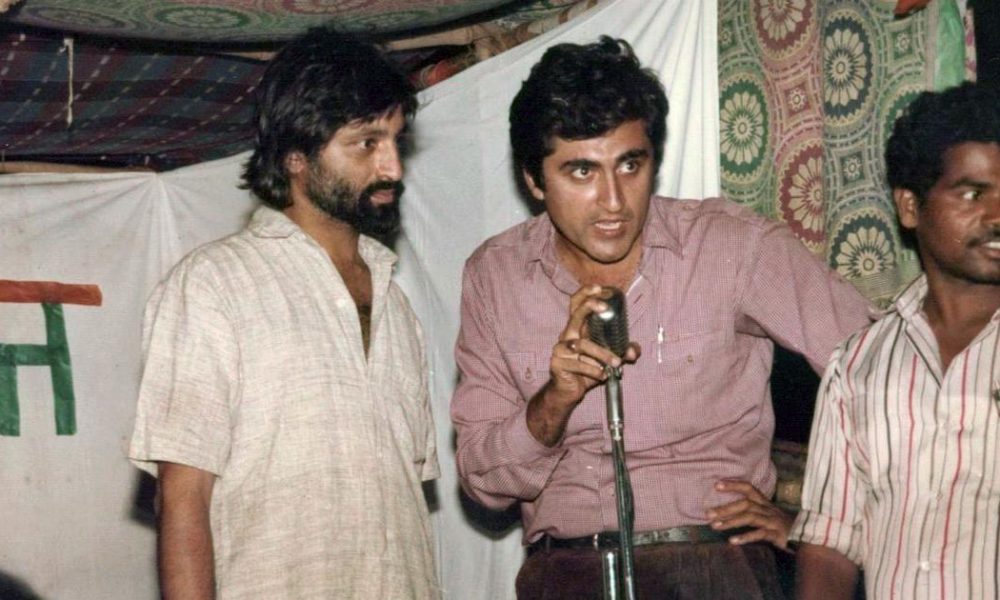
During this turbulent time, as the Supreme Court intervened by imposing a stay on demolitions, the reality on the ground was starkly different; demolitions persisted unabated. I found myself documenting these unlawful actions, initially through still photography for PUCL and later utilizing a second-hand 16 mm film camera. This endeavor not only brought me closer to the struggles of unorganized slum-dwellers but also connected me with dedicated activists committed to advocating for their rights.
Among these journalists and activists was Gurbir Singh, a member of the Times of India group, who became a pivotal figure in this movement. Our collective efforts culminated in the formation of the Nivara Hakk Suraksha Samiti, an organization that sought to champion the rights of those facing eviction and displacement. The work of this committee underscored the crucial intersection of journalism and activism, revealing how media can play a powerful role in the socio-political landscape.
As we reflect on the evolution of the Mumbai Press Club, it is essential to recognize the history of struggle and resistance that has shaped its identity. The narratives from the 1980s remain relevant today, reminding us of the ongoing battles for justice and equity. The experiences of individuals like Gurbir Singh and the activists of that era continue to inspire a new generation of journalists who strive to uphold the principles of truth and justice in their reporting.
Source: scroll.in



No Comment! Be the first one.