

Debunking Myths: The Linguistic Significance of Retroflex Sounds in Marathi
In a recent discussion initiated by Shailaja Paik regarding the phonetics of Marathi, the focus was placed on the retroflex sound, particularly the hard ‘na’, and its perceived connection to caste...

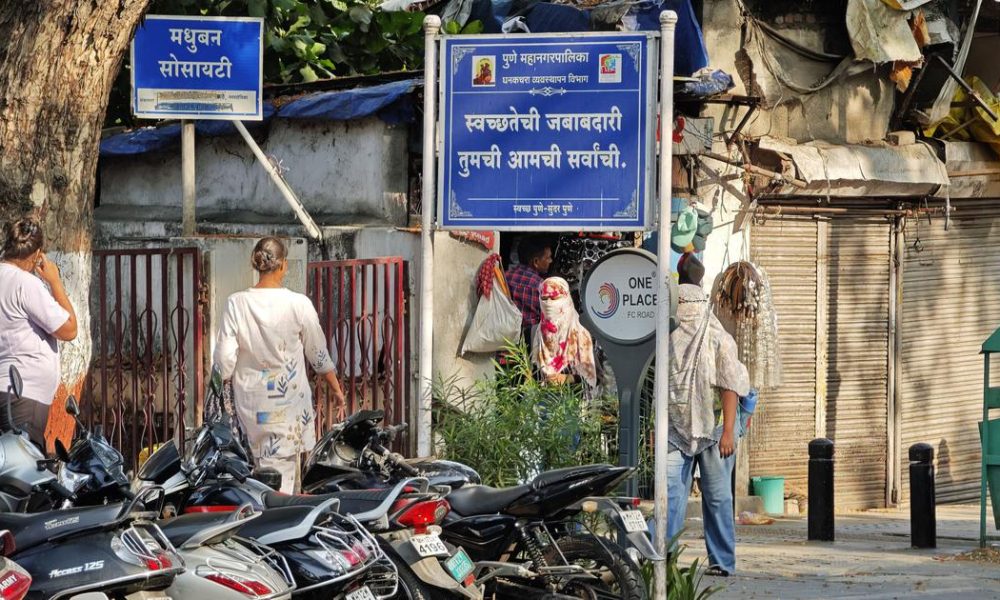
In a recent discussion initiated by Shailaja Paik regarding the phonetics of Marathi, the focus was placed on the retroflex sound, particularly the hard ‘na’, and its perceived connection to caste hierarchies. Paik argues that the pronunciation of Marathi in Pune serves as a marker of social status, leading to a division where speakers from other regions feel their linguistic identity is undervalued. Her observations raise important questions about language as a social construct.
However, Paik’s assertion that the hard ‘na’ encapsulates the politics of caste and social stratification conflates the structure of language with the complexities of social hierarchy. It suggests a direct causation where the phoneme is blamed for perpetuating caste discrimination, an interpretation that merits deeper scrutiny and clarification.
Retroflex consonants, including the hard ‘na’, are produced by curling the tongue back toward the hard palate. These sounds are represented in the Devanagari script by characters such as ट, ठ, ड, ढ, ण, and ळ. If one were to consider these consonants as markers of Brahmin linguistic identity, one would expect to see a significant decline in their usage among non-elite communities across various regions in South Asia. Contrary to this expectation, studies reveal that retroflex sounds are widely utilized across numerous Indian languages, making them a fundamental aspect of linguistic identity rather than a tool of social distinction.
The presence of the retroflex ‘na’ in multiple Indian languages, including Gujarati, underscores its universal nature. In Gujarati, for instance, this consonant appears across various caste names such as Chāraṇ, Vaṇajārā, and Brāhmaṇ, illustrating that it is not confined to a singular social group. The shared use of retroflexion across diverse communities indicates that it serves a broader linguistic purpose, transcending the boundaries of caste.
Furthermore, the assumption that retroflexion contributes to social segregation overlooks the rich tapestry of linguistic practices in India, where language functions as a marker of regional and cultural identity, rather than purely as a symbol of caste hierarchy. The ongoing debate on this topic highlights the need for a more nuanced understanding of how language interacts with societal structures in India. Engaging with these discussions critically can lead to a more insightful appreciation of the intersections between language, culture, and society.
Source: scroll.in






No Comment! Be the first one.