

The Global South’s Emerging Influence in Shaping the Future World Order
In an era marked by geopolitical shifts and changing power dynamics, discussions around the role of the Global South have gained prominence. Canadian Prime Minister Mark Carney, one of the early...

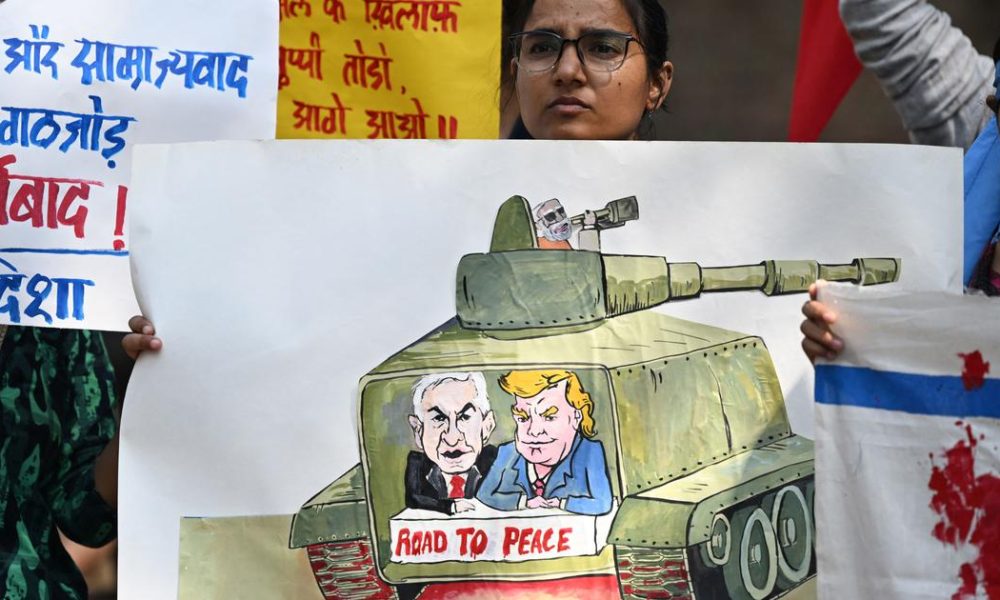
In an era marked by geopolitical shifts and changing power dynamics, discussions around the role of the Global South have gained prominence. Canadian Prime Minister Mark Carney, one of the early voices highlighting the fractured global order under the Trump administration, emphasized the importance of middle powers collaborating to preserve elements of the liberal international system. This raises a pertinent question: what role will the Global South play in redefining the world order?
Recent statements from leaders such as Finland’s President Alexander Stubb suggest that the Global South may soon assume a pivotal position in global governance. Speaking at a conference in India earlier this year, he remarked, “The global south will decide what the next world order will look like.” Stubb’s assertion reflects a growing recognition of the demographic and economic strengths of the Global South, which challenge the long-standing Western dominance in international affairs.
While some observers argue that the traditional Western-centric world order is waning, the reality is more complex. The Global South is not a homogeneous bloc; rather, it encompasses a diverse group of nations, each with its own distinct interests, challenges, and levels of development. This diversity complicates any efforts to consolidate a unified front in global discussions. The term ‘Global South’ generally refers to countries in the southern hemisphere, but it also includes emerging economies and developing nations from various regions. As such, the definition remains fluid, further complicating collaborative efforts.
Despite these challenges, the capacity for influence from the Global South is undeniable. With a growing population and economic clout, countries in this region are beginning to assert themselves on the global stage. For instance, India, Brazil, and South Africa have taken significant steps to enhance their roles in international forums. As these nations rise economically and politically, they are likely to push for a more equitable global governance framework that reflects their interests and perspectives.
The current geopolitical landscape also plays a critical role in shaping the Global South’s future influence. Tensions, including conflicts such as the ongoing situation in Iran, may prompt nations to reevaluate the existing international order. Questions surrounding the legitimacy of power dynamics—where might often justifies right—are becoming more pronounced. It is within this context that the Global South has the potential to forge new coalitions and rethink the structures of global governance.
In conclusion, while it may be premature to declare the demise of the Western-dominated world order, the Global South’s significance in shaping the future is increasingly clear. As these nations navigate their unique challenges and opportunities, their collective voice may very well redefine the parameters of international relations in the years to come.
Source: scroll.in





No Comment! Be the first one.