

Exploring Mumbai’s Culinary Diversity: A Journey Through History and Flavor
Mumbai, a city known for its vibrant street food culture and eclectic dining options, has long presented a curious culinary paradox. Despite the city’s rich tapestry of flavors, a segment of its...

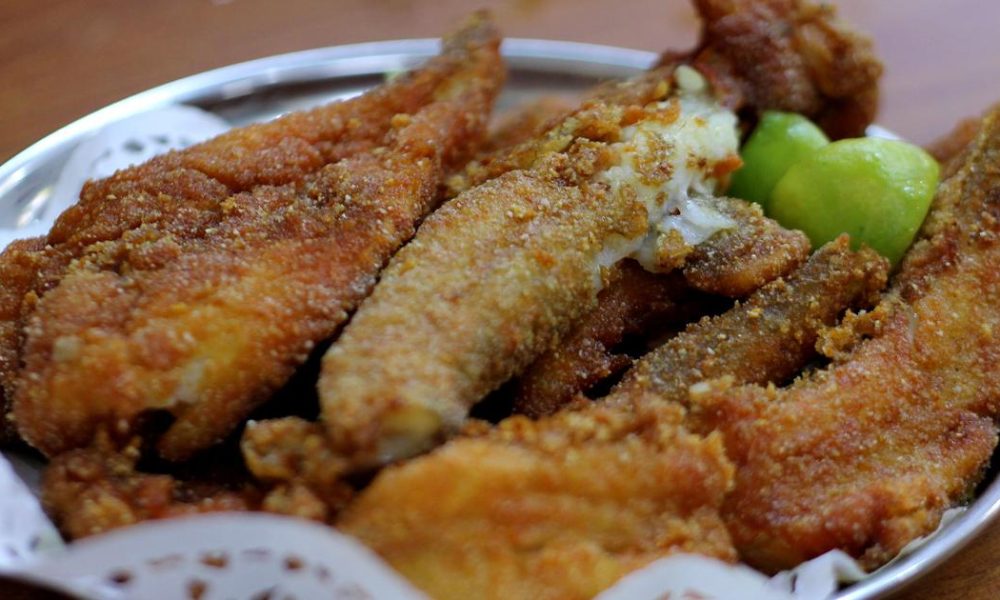
Mumbai, a city known for its vibrant street food culture and eclectic dining options, has long presented a curious culinary paradox. Despite the city’s rich tapestry of flavors, a segment of its elite continues to indulge in dishes that hark back to the colonial era, characterized by bland preparations often drenched in white sauce. Why, nearly 80 years post-independence, do these culinary remnants still find favor among a portion of the city’s population? This intriguing question forms the crux of Pronoti Datta’s exploration in her latest book, In the Beginning There Was Bombay Duck.
Datta, a passionate food historian, approaches Mumbai’s Continental cuisine with an impartial eye, seeking to understand rather than criticize. In her discussions, she highlights the contrast between the city’s underappreciated indigenous delights and the enduring appeal of dishes such as Chicken Cecilia and Shepherd’s Pie. It raises an essential question: how can the diverse Indian palate embrace such fare? Through her research, Datta unveils a culinary landscape that goes beyond the mundane, revealing unique dishes that blend tradition and innovation.
Among the gems she uncovers are unexpected pairings, such as shrimp nestled in banana cake, eggs served atop bananas, and even biryani crafted from patrel, a lesser-known ingredient that reflects the city’s rich local produce. Moreover, she points out the ubiquitous presence of Bombay duck, a fish that has become a symbol of the local marine bounty. Datta’s narrative serves as a reminder that Mumbai’s culinary heritage is far from stagnant; it is an ever-evolving story influenced by myriad cultures and traditions.
In a recent episode of the podcast ‘Past Imperfect’, Datta delves into her research and shares fascinating anecdotes about Mumbai’s food trajectory. She emphasizes the importance of recognizing and celebrating local cuisines that have been overlooked or dismissed in favor of colonial relics. This discussion sheds light on how food not only satisfies hunger but also reflects social history, identity, and change.
As Mumbai continues to thrive as a melting pot of cultures, Datta’s work urges us to redefine our culinary preferences and appreciate the rich flavors that define the city. Her book is not just a culinary guide but a call to explore the diverse gastronomic landscape that is integral to Mumbai’s identity.
Source: scroll.in






No Comment! Be the first one.