

The Colonial Lens: How British Perceptions Shaped Afghan Identity in India
During the colonial period in India, the British perspective on Afghans and Pashtuns starkly contrasted with the views held by local Indians. This divergence illustrates the complexities of cultural...

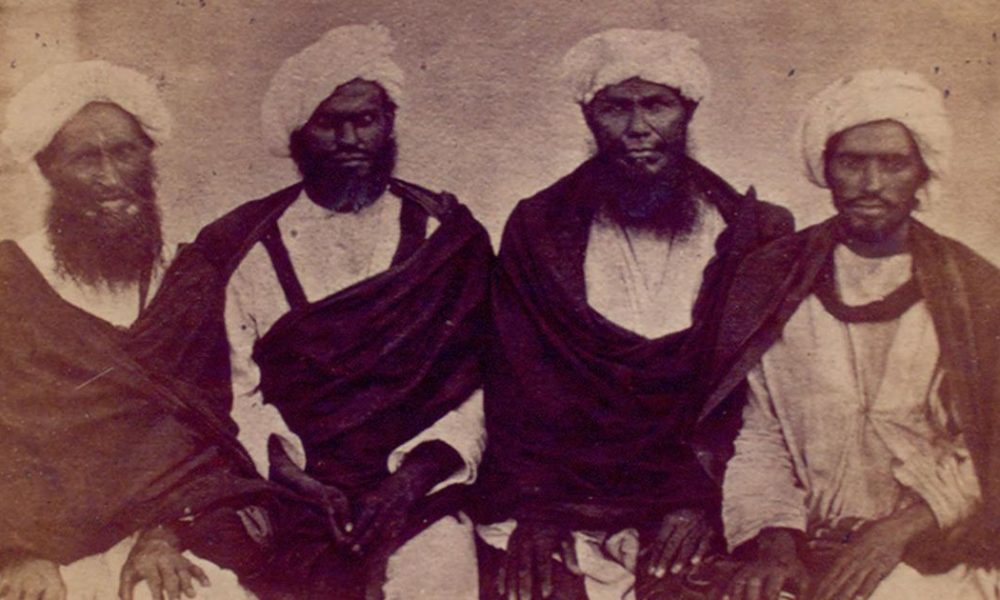
During the colonial period in India, the British perspective on Afghans and Pashtuns starkly contrasted with the views held by local Indians. This divergence illustrates the complexities of cultural narratives, where an Afghan fruit vendor in Rabindranath Tagore’s beloved story ‘Kabuliwala’ is depicted as a figure of warmth and affection, while simultaneously, British colonial narratives painted Afghans as threats to imperial stability.
In 1920, renowned author Arthur Conan Doyle aimed to justify British rule by suggesting that a withdrawal of British forces would unleash chaos in India, specifically from the Pathans. He invoked historical analogies, likening potential Pathan raids on Indian cities to ancient invasions faced by Britain when Roman legions departed. This rhetoric was not merely a product of individual opinion but was part of a broader narrative circulated in the British press, where Pathans were regularly depicted as violent criminals and dacoits, reinforcing fears among the British populace about their control in India.
The Daily Telegraph, for instance, issued stark warnings about the Pathan’s intentions, describing them metaphorically as panthers lurking with patience, ready to strike once the British grip weakened. The portrayal was vivid and evocative, suggesting that the Pathans were perpetually poised to breach the gates of Indian cities, a narrative that served to justify the British military presence and governance.
Such depictions were rooted in a colonial mindset that viewed Afghans through a lens of suspicion and hostility, fundamentally distorting their identity. The British government and military officials continuously reinforced these stereotypes, which were reflected in media portrayals that played on the anxieties of the British public. This created an environment where Afghans were not recognized as individuals with their own cultural heritage, but rather as a monolithic group posing a constant threat.
As we reflect on this historical context, it becomes evident that these narratives have long-lasting implications. The colonial depiction of Afghans as criminals not only influenced British policies but also shaped Indian perceptions of their northern neighbors. Today, understanding these historical narratives is crucial as they continue to inform contemporary views and relations, underlining the importance of recognizing the diversity and complexity within Afghan identities.
Source: scroll.in







No Comment! Be the first one.