

Exploring Legacy and Revenge in ‘Vaadivaasal’: A Glimpse into Jallikattu’s Emotional Depth
Translations offer a fascinating gateway into the rich tapestry of global literature, enabling readers to traverse linguistic and cultural boundaries. N Kalyan Raman’s English rendition of CS...

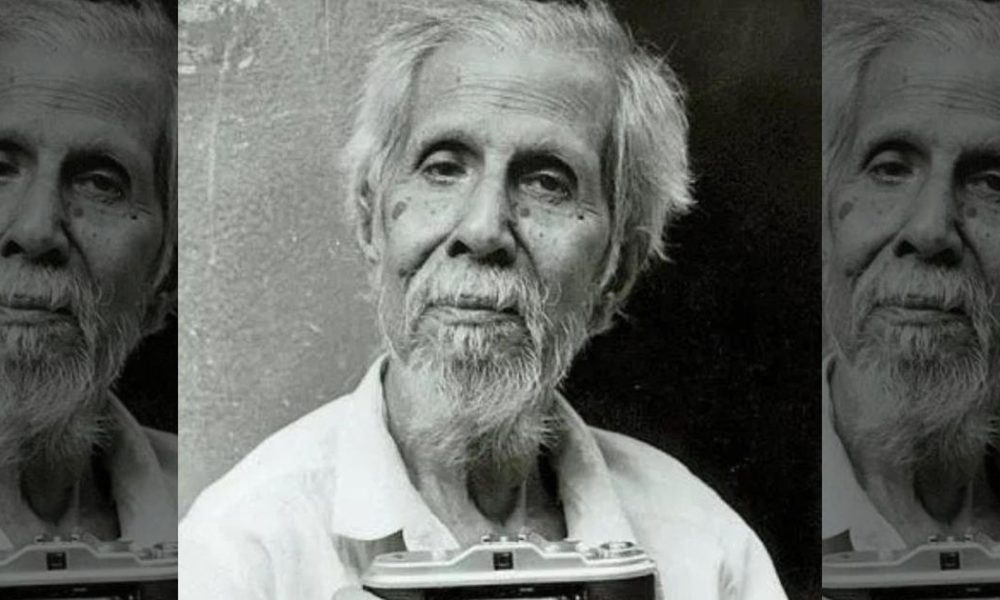
Translations offer a fascinating gateway into the rich tapestry of global literature, enabling readers to traverse linguistic and cultural boundaries. N Kalyan Raman’s English rendition of CS Chellappa’s novella, ‘Vaadivaasal,’ invites audiences to experience the vibrant world of jallikattu—a traditional bull-taming sport deeply rooted in Tamil culture. Originally published in Tamil in 1949, this work is hailed as a modern classic, noteworthy for its focus on the lives of marginalized communities and its pioneering representation of jallikattu in contemporary Tamil literature.
The novella centers around Picchi, a young man driven by a quest for vengeance and personal honor. Haunted by the traumatic memory of his father’s death during a jallikattu event, killed by a notorious bull named Kaari, Picchi arrives at the festival with a singular purpose. His journey is not just about confronting the bull that took his father’s life but is also a reflection on pride, legacy, and the heavy burdens of familial loss.
‘Vaadivaasal’ intricately weaves themes of revenge and honor within the framework of a traditional sport that symbolizes strength, courage, and community. Through Picchi’s eyes, readers gain insight into the emotional and societal dimensions of jallikattu, a sport often celebrated for its physicality but rarely explored for its psychological implications. The narrative unfolds against the backdrop of the festival, where the clash between man and bull transcends mere competition, embodying a deep-rooted cultural significance.
As the novella progresses, it delves into the complexities of survival and identity within the subaltern communities of Tamil Nadu. Chellappa’s portrayal is both poignant and powerful, capturing the essence of a society where honor is entwined with personal and communal histories. The bull arena becomes a metaphorical space for confronting past traumas while also celebrating resilience, further enriching the reader’s understanding of the cultural landscape.
Reading ‘Vaadivaasal’ is more than just an exploration of a traditional sport; it is an invitation to reflect on the intersection of personal narratives and cultural heritage. N Kalyan Raman’s translation skillfully preserves the emotional weight of Chellappa’s original prose, allowing English-speaking audiences to appreciate the nuances of Tamil storytelling. As more Indian literary works find their way into translation, ‘Vaadivaasal’ stands out as a vital contribution to understanding the complexities of tradition, identity, and the human experience in India.
Source: scroll.in







No Comment! Be the first one.