

Supreme Court Asserts Chief Minister’s Interference in Investigations Threatens Democracy
The Supreme Court of India has firmly stated that a chief minister must not jeopardize democratic principles by interfering with ongoing investigations. This statement came during a hearing related...

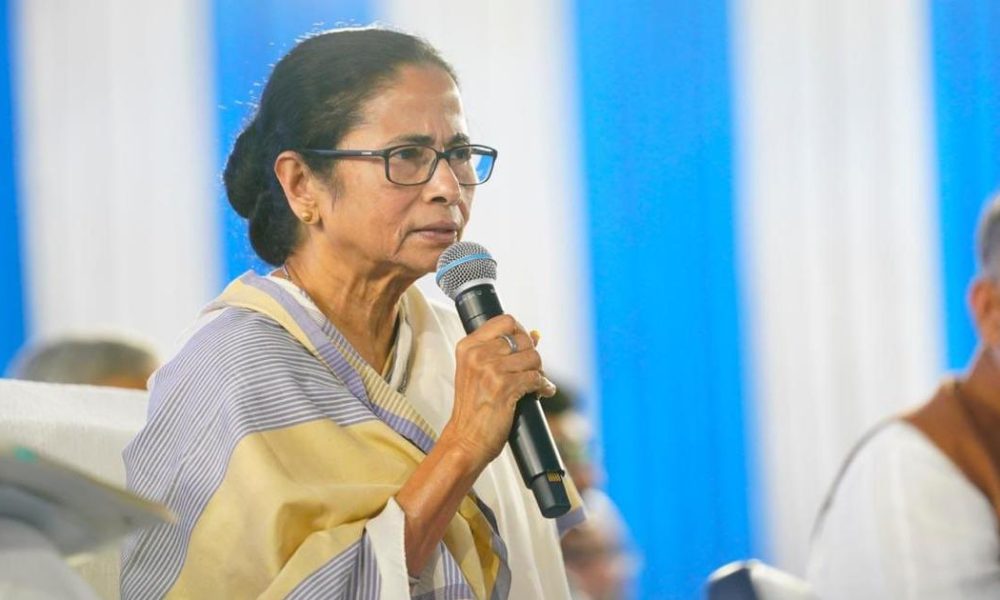
The Supreme Court of India has firmly stated that a chief minister must not jeopardize democratic principles by interfering with ongoing investigations. This statement came during a hearing related to the Enforcement Directorate’s (ED) petition against West Bengal Chief Minister Mamata Banerjee and several state police officers, who are accused of obstructing searches at the premises of the political consultancy I-PAC on January 8.
The bench, comprising Justices Prashant Kumar Mishra and NV Anjaria, expressed its concern regarding the implications of a chief minister’s involvement in such inquiries. “What right does the state have over this matter?” the justices questioned, emphasizing that this issue extends beyond a simple dispute between the state and the central government. The ED approached the Supreme Court under Article 32 of the Constitution, which allows individuals to seek direct redressal for potential violations of their fundamental rights.
During the proceedings, the court highlighted that a chief minister should not intervene in the midst of an investigation, which is a core aspect of upholding the rule of law. The comments from the bench came in response to arguments from the West Bengal government, which had contested the maintainability of the ED’s plea, asserting that Article 32 is intended only for individuals rather than governmental entities.
Advocate Menaka Guruswamy, representing the West Bengal government, argued that there had been no criminal conduct or intimidation in the case. She contended that the situation raised significant legal questions that warranted further examination. The case revolves around the actions taken during the ED’s search, and concerns have been raised about the potential misuse of power by state authorities.
This legal battle underscores the ongoing tensions between state and central authorities in India, particularly in politically charged scenarios. The Supreme Court’s strong remarks serve as a reminder of the delicate balance between governance and accountability, particularly in matters that could affect the nation’s democratic fabric. As the situation develops, it remains to be seen how this case will influence the relationship between state and central agencies in future investigations.
Source: scroll.in







No Comment! Be the first one.