

Women’s Political Representation in India: A Climb Up the Ladder Remains Steep
In India, over 1.5 million women have secured elected positions within Panchayati Raj Institutions, marking a significant stride toward gender representation in local governance. Various states have...

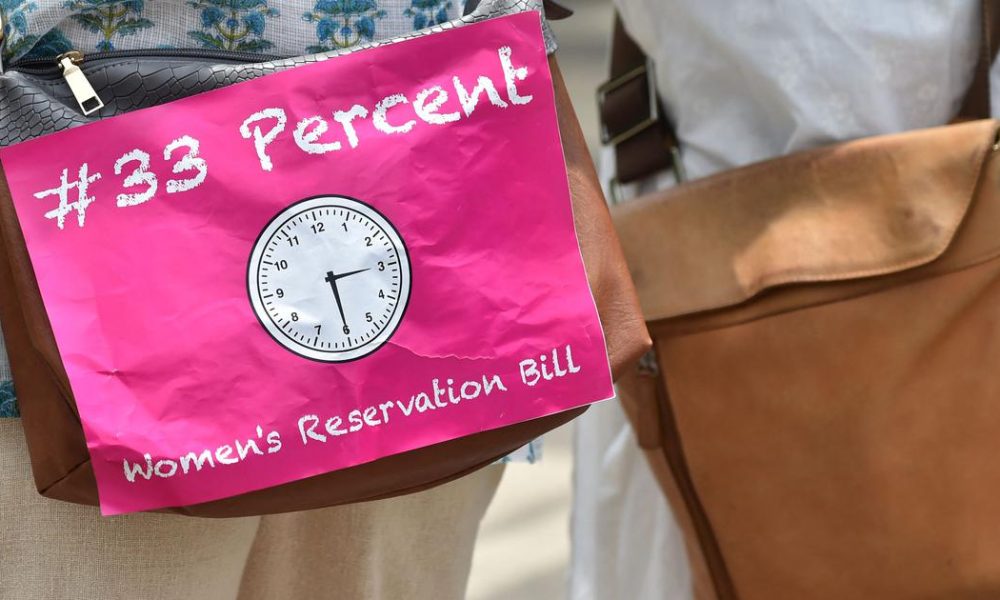
In India, over 1.5 million women have secured elected positions within Panchayati Raj Institutions, marking a significant stride toward gender representation in local governance. Various states have implemented reservations that ensure women occupy between one-third to half of all available seats in these local bodies. However, the political representation of women sharply contrasts when we look at higher levels of government. Currently, women constitute only 13.8% of the members in the 18th Lok Sabha, as per data released by the Ministry of Statistics and Programme Implementation.
The situation is poised to change with the passage of the Constitution (106th Amendment) Act in 2023, which mandates a 33% reservation for women in the Lok Sabha and state assemblies. However, the implementation of this reservation has been deferred until a delimitation exercise is conducted, which is expected to take place after 2026. Prime Minister Narendra Modi emphasized the importance of this legislative shift in a statement made on April 9, 2026, asserting that both the 2029 Lok Sabha elections and upcoming Assembly elections should be conducted with women’s reservation in effect.
The 73rd Amendment to the Indian Constitution, enacted in 1992, marked a watershed moment in women’s political empowerment at the grassroots level, reserving a minimum of one-third of seats for women in rural and urban local bodies. This legislative framework was designed not only to enhance women’s representation but also to include marginalized groups, such as Scheduled Castes and Scheduled Tribes, thereby promoting a more inclusive political landscape. Despite these advancements, the representation of women significantly diminishes as one ascends the political hierarchy.
To understand the trajectory of women’s representation in Indian politics, it is vital to analyze the data across various levels of governance. Graphical representations reveal a stark disparity in the political participation of women across local, state, and national platforms. While local bodies have seen a commendable influx of women representatives, the same cannot be said for state legislatures and Parliament, where women’s voices remain disproportionately underrepresented.
As we approach the future, the proposed reservation for women in legislative bodies could reshape the political landscape, provided it is implemented effectively. The call for greater gender parity in politics reflects a broader societal demand for equitable representation. The upcoming discussions in Parliament, including the crucial bill aimed at advancing women’s reservation scheduled for April 16, 2026, could potentially be a turning point in this long-standing struggle for parity in political representation.
Source: scroll.in






No Comment! Be the first one.