

Lok Sabha Rejects Women’s Reservation Bill Amidst Political Turmoil
In a significant setback for the Union government, the Lok Sabha has rejected a crucial bill aimed at amending the 2023 Women’s Reservation Act, which sought to alter the boundaries of electoral...

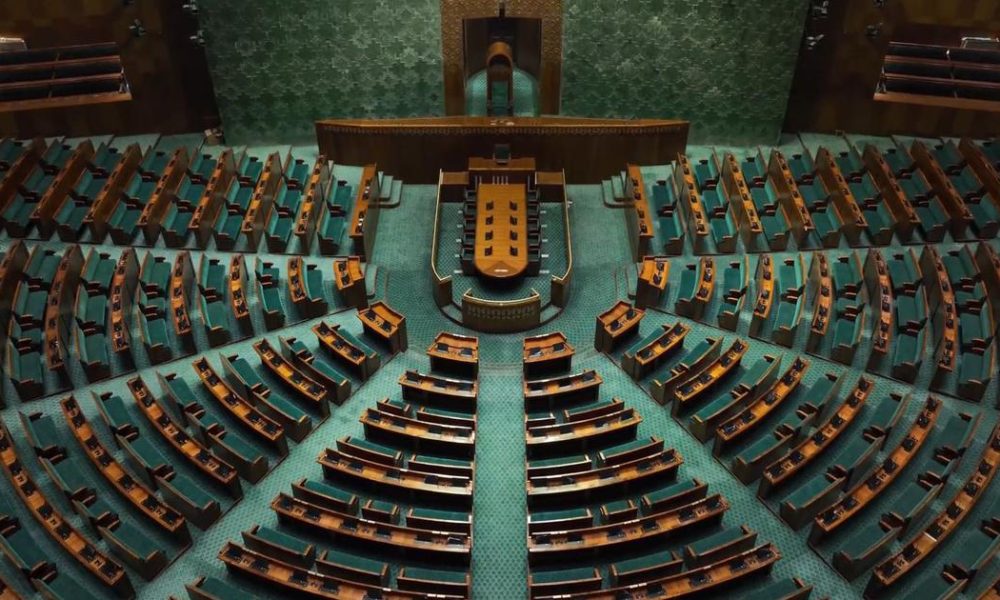
In a significant setback for the Union government, the Lok Sabha has rejected a crucial bill aimed at amending the 2023 Women’s Reservation Act, which sought to alter the boundaries of electoral constituencies in India. The 2026 Constitution 131st Amendment Bill required a two-thirds majority to advance but could only muster 298 votes in favor, falling short of the necessary 352 votes from the 528 Members of Parliament present in the Lower House.
The defeat of this bill is emblematic of the ongoing political struggles within the Indian Parliament, where government initiatives have increasingly faced obstacles. Following the rejection, the government announced the withdrawal of two related bills, asserting that their fate was intertwined with the defeated legislation, thereby preventing any separate discussions or considerations.
This legislative failure raises questions about the future of women’s representation in Indian politics, as the Women’s Reservation Act aims to reserve one-third of seats in the Lok Sabha and state assemblies for women. Despite its introduction being seen as a progressive step towards gender equality in the political arena, the inability to pass this amendment indicates a persistent challenge in achieving these goals amidst a complex political landscape.
In a separate legal development, the Supreme Court declined a petition from Congress leader Pawan Khera, related to a stay on an order from the Telangana High Court that had granted him transit anticipatory bail. The Supreme Court’s decision not to extend Khera’s bail means he must approach the Assam court directly regarding the case lodged against him by the Assam Police. This situation adds another layer to the ongoing legal and political battles that many leaders are currently navigating.
As these developments unfold, they highlight the broader issues at play in Indian governance, from women’s rights and representation to the complex interplay of legal and political frameworks that define contemporary India. The rejection of the Women’s Reservation Bill not only stymies progressive legislation but also illustrates the challenges of consensus-building in a divided political climate.
Source: scroll.in






No Comment! Be the first one.