

Exploring Tradition: Sato’s Journey Through Generational Piety and Personal Choice
In many cultures around the world, traditions are passed down through generations, often becoming deeply ingrained within families. This is especially true in the case of young boys like Sato, who...

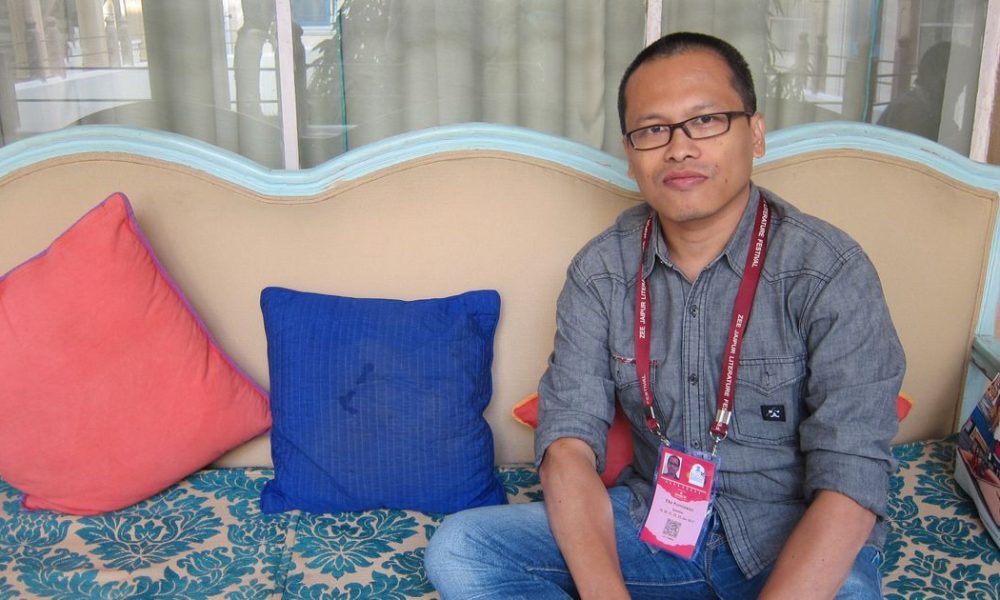
In many cultures around the world, traditions are passed down through generations, often becoming deeply ingrained within families. This is especially true in the case of young boys like Sato, who find themselves entangled in the expectations set by their fathers, grandfathers, and even great-grandfathers. Sato’s journey begins in a typical setting where parental and ancestral influences heavily dictate the path he is expected to follow.
From a tender age, Sato attended the mosque regularly, a practice that his father, grandfather, and great-grandfather adhered to diligently. This ritual of prayer and recitation became more than just a family obligation; it transformed into a legacy stretching back to the earliest days of humanity, with its roots tracing back to Prophet Adam. For Sato, the mosque was not merely a place of worship; it represented a chain of expectation, built upon the dedication of generations before him.
However, like many children his age, Sato found more joy in the vibrant experiences that life outside the mosque offered. Instead of being engrossed in the solemnity of prayer, he often preferred the thrill of cock-fighting in the back alleys of the market, or the exhilaration of watching pigeon races. The lively atmosphere of local festivities, where horse dancers would whirl in a trance, seemed far more appealing than reciting verses whose meanings eluded him.
Sato’s youthful spirit craved adventure; whether it was engaging in spirited card games with friends, swimming in serene streams adjacent to lush rice fields, or enjoying the enchanting melodies of a local orkes band, these activities filled his days with excitement and laughter. The dichotomy of Sato’s upbringing raises a critical conversation about generational traditions and the individual choices that challenge or complement them.
As Sato grows older, the impending decision to undergo a piety ritual becomes a significant turning point in his young life. His father’s insistence on adhering to family traditions poses a dilemma—should he comply with the expectations of his lineage, or should he carve out his own identity based on personal preferences? Such narratives resonate deeply within Indian society, where the clash between tradition and modernity is an ever-evolving discourse. Sato’s story exemplifies the struggle many face in balancing respect for cultural heritage with the desire for personal freedom and self-exploration.
Source: scroll.in







No Comment! Be the first one.