

Unexpected Rain and Hail Disrupt Harvests in Eastern India
As the warm season unfolds in Jharkhand, the mahua flowers, known for their cultural significance, typically begin to bloom by the end of March. This period is crucial for local farmers, as the dry...

As the warm season unfolds in Jharkhand, the mahua flowers, known for their cultural significance, typically begin to bloom by the end of March. This period is crucial for local farmers, as the dry conditions are favorable for collecting these flowers that fall naturally from the trees. However, this year, adverse weather patterns, including unexpected rainfall and hailstorms, have severely impacted the harvesting process. Kuldeep Minj, a farmer from Latehar district, expressed his concerns: “Due to the unseasonal rains, many flowers began to rot while they were drying on the ground.”
Traditionally, mahua flowers are gathered once they fall and are allowed to sun-dry for three days to ensure proper preservation. If not dried adequately, the flowers become sticky and begin to decay, diminishing their quality and value. Minj, who harvests from both his land and the adjacent forest, fears that the rains could lead to significant losses this season.
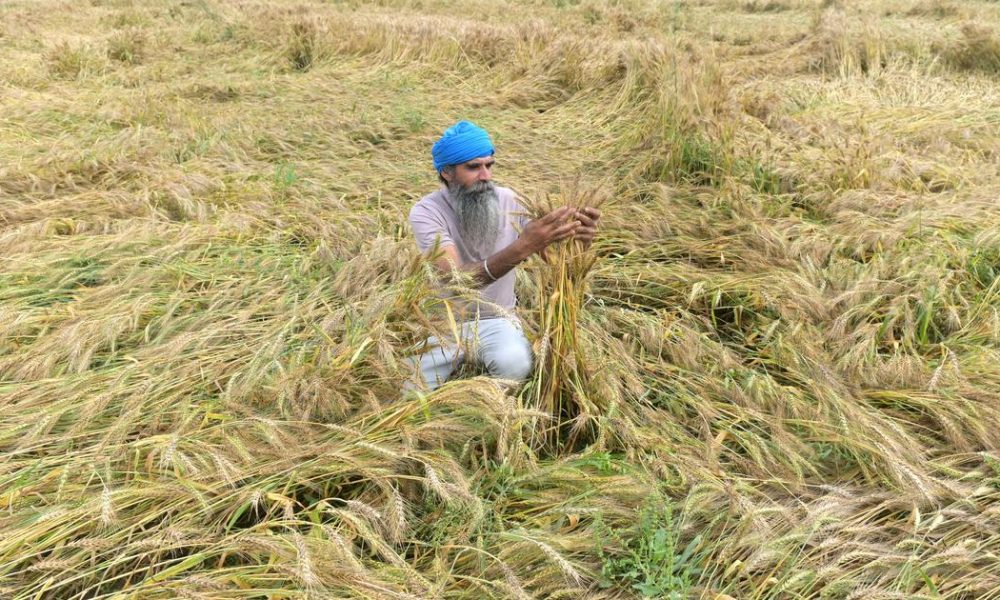
In the northern state of Punjab, the situation is similarly dire for wheat farmers. With expectations of a bountiful yield due to the favorable crop conditions earlier in the season, the sudden onset of a hailstorm on April 4 proved catastrophic for many. Jagmeet Singh, a farmer from Kotli village in Sri Muktsar Sahib district, had been optimistic about his wheat harvest, noting the exceptional quality of his crop. “Usually, we spend between Rs 1,000 and Rs 1,500 per acre on insecticides to protect our crops. But this year, we were hopeful,” he stated. Unfortunately, the hailstorm, which lasted a mere 35 to 40 minutes, wreaked havoc, damaging nearly 80% of his wheat crop.
The phenomenon of western disturbances, which typically influence weather patterns across northern India, has been responsible for the unseasonal weather, resulting in rainfall and hail that threaten the livelihoods of farmers. This year’s unusual weather events serve as a reminder of the vulnerability of the agricultural sector to climate fluctuations. Farmers are now left to grapple with the aftermath, facing potential economic losses and uncertainties regarding their future harvests.
As the agricultural community in both Jharkhand and Punjab navigates through these challenges, there is an urgent call for adaptive measures and support systems to mitigate the adverse effects of such unpredictable weather. With agriculture being a significant pillar of the Indian economy, the resilience and recovery of farmers are critical for sustaining livelihoods and ensuring food security in the region.
Source: scroll.in







No Comment! Be the first one.