

The Reflective Lens of Potholes: Examining Government Priorities from Kerala to New York
The condition of roads can often serve as a mirror reflecting the priorities and effectiveness of a government, and this notion has gained traction in discussions about urban infrastructure. A...

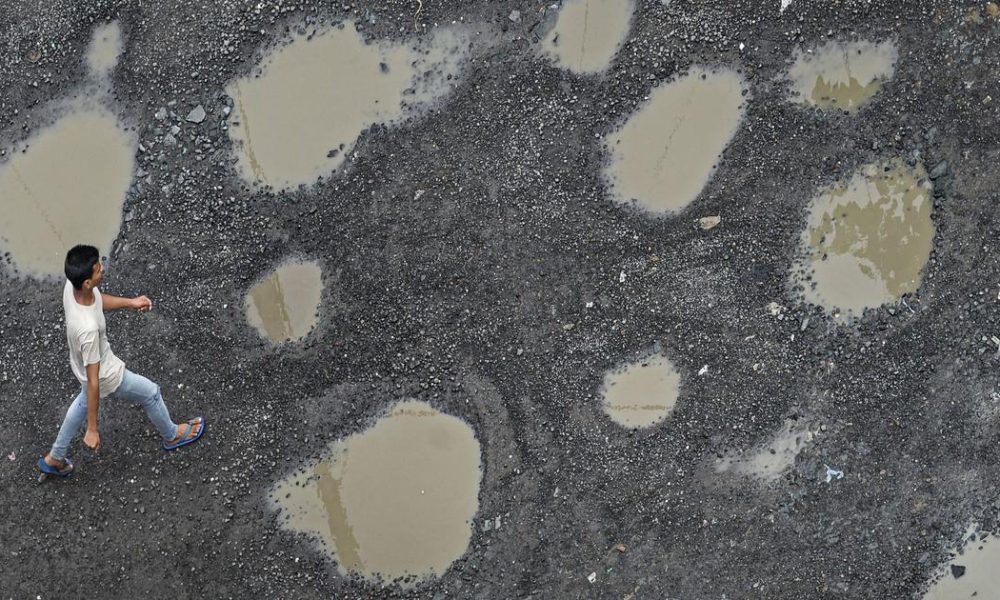
The condition of roads can often serve as a mirror reflecting the priorities and effectiveness of a government, and this notion has gained traction in discussions about urban infrastructure. A striking comparison often made is between Thiruvananthapuram, the capital of Kerala, and New York City, the bustling metropolis of the United States. Despite New York’s status as one of the wealthiest cities globally, studies by noted economists like Amartya Sen and Jean Drèze revealed that infant mortality rates were higher there than in Thiruvananthapuram, showcasing the profound impact of targeted public investment in health and social services.
Kerala has long been recognized for its emphasis on social welfare, education, and healthcare, achieving remarkable outcomes despite limited financial resources. This commitment to public welfare has not only improved the quality of life for its citizens but has also posed a challenge to wealthier nations, illustrating how a focused approach can yield significant benefits even in the face of economic constraints.
A recent personal experience with potholes in my locality rekindled these reflections about infrastructure and governance. Many years ago, a colleague who served as Kerala’s finance minister took charge of the Public Works Department. He launched an initiative that was both straightforward and impactful: to document every pothole and prioritize their repair. His dual role allowed him to grasp the financial implications while also understanding the everyday realities faced by commuters. This hands-on approach to governance emphasized the importance of maintaining infrastructure for the safety and convenience of citizens.
In contrast, many cities, including those in wealthier nations, still grapple with basic infrastructure challenges. The presence of potholes can significantly affect travel safety and accessibility, leading to public frustration. This paradox highlights the importance of government accountability and prioritization. When potholes remain unaddressed, it signals either neglect or misallocation of resources, leading to a wider discussion on how effectively authorities are managing public funds.
Ultimately, the state of our roads is not merely an issue of maintenance but is intricately linked to the values and priorities that governments choose to uphold. As we navigate the complexities of urban life, it becomes essential to advocate for infrastructure improvements that reflect a commitment to public welfare, regardless of economic status. By focusing on the basics of governance—healthcare, education, and infrastructure—governments can foster environments where every citizen thrives, turning potholes into pathways of progress.
Source: scroll.in





No Comment! Be the first one.