

Centre Proposes Bill to Boost Lok Sabha Seats to 850, Reshaping India’s Electoral Landscape
The Union Government of India is set to introduce a significant legislative proposal aimed at expanding the strength of the Lok Sabha, the lower house of Parliament, from its current count of 543 to...

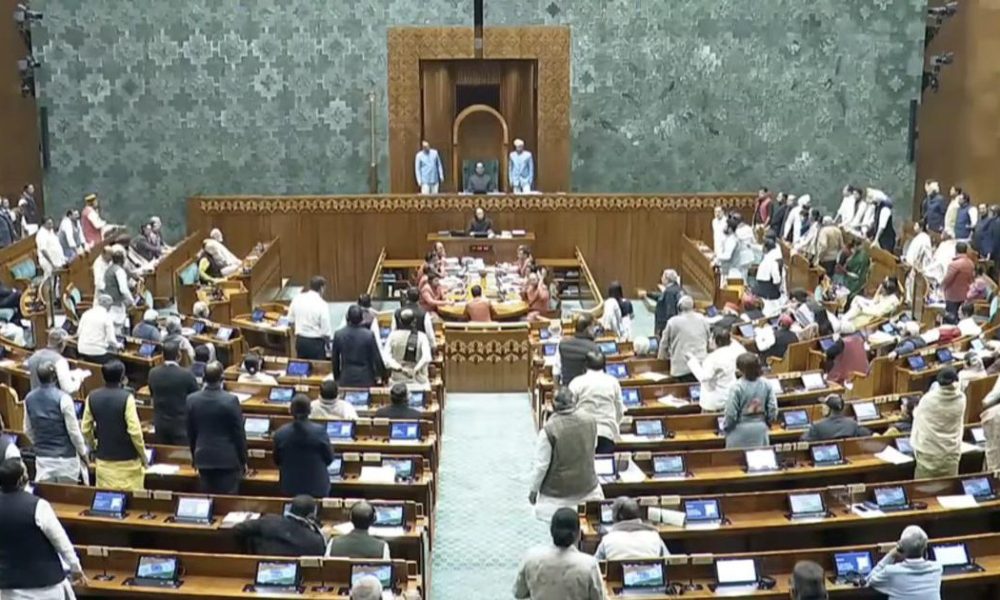
The Union Government of India is set to introduce a significant legislative proposal aimed at expanding the strength of the Lok Sabha, the lower house of Parliament, from its current count of 543 to a total of 850 seats. This bill, anticipated to be presented on Thursday, outlines that out of the proposed 850 seats, 815 will be allocated to the states, while 35 will be designated for Union Territories. The move marks a major shift in India’s political landscape, particularly as it aligns with the ongoing discussions about representation and population dynamics in the country.
Delimitation, the process of redrawing the boundaries of electoral constituencies, is mandated under Article 82 of the Indian Constitution. This article directs that adjustments in the allocation of Lok Sabha seats to each state must occur following the completion of a census. Historically, the current framework for Lok Sabha representation has been based on the 1971 Census, a practice that has remained unchanged due to the provisions of the 84th Amendment Act of 2001, which effectively froze constituency boundaries until the first census after 2026.
As India prepares for its next census, which commenced on April 1 and is projected to wrap up in 2027, the proposed bill seeks to amend Article 82. By removing the existing proviso that freezes delimitation until after 2026, the bill paves the way for the allocation of Lok Sabha seats to reflect population changes based on the last completed census in 2011. This realignment is expected to have profound implications on political representation and resource allocation across various states.
The discussion surrounding this bill has gained momentum in recent weeks, with political circles speculating on the potential changes to the electoral framework. The introduction of this bill comes at a time when calls for more equitable representation in the Lok Sabha have intensified, particularly from states that have experienced significant population growth since the last census. The government aims to ensure that the distribution of seats reflects the demographic realities of modern India.
The forthcoming Budget Session of Parliament, as announced by the Union government, will serve as the platform for unveiling this crucial legislative proposal. As stakeholders from various political parties prepare to engage in discussions regarding the implications of the increased Lok Sabha seats, the dialogue is expected to highlight the broader issues surrounding representation, governance, and the future of Indian democracy.
Source: scroll.in





No Comment! Be the first one.