

Madhya Pradesh High Court Grants Bail to Two Men Arrested Over Pro-Iran Instagram Post
The Madhya Pradesh High Court has granted bail to two individuals, Wasim Khan and Yousuf Mehafooz, who were detained last month in Raisen district for posting an Instagram reel that expressed...

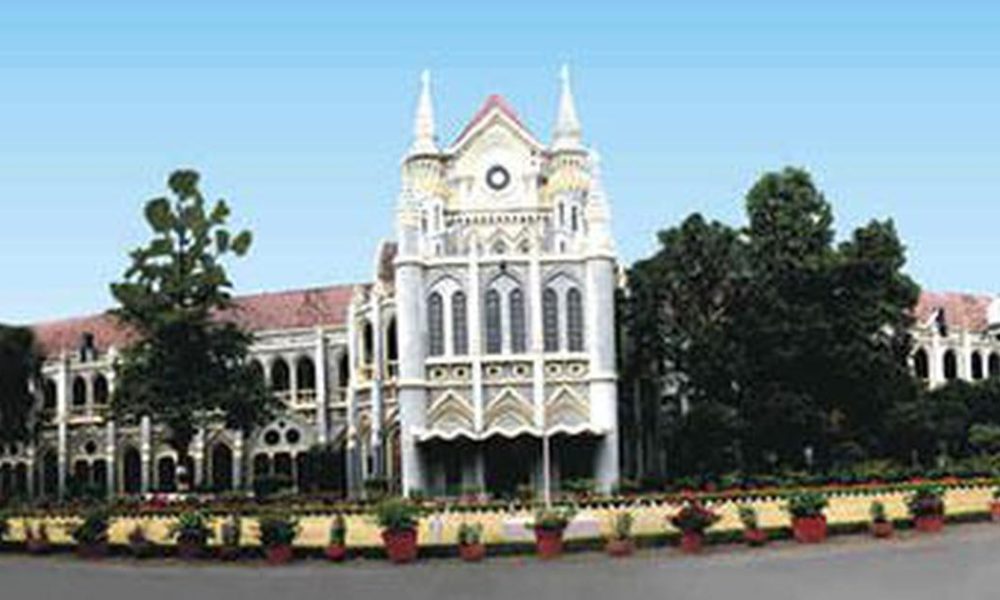
The Madhya Pradesh High Court has granted bail to two individuals, Wasim Khan and Yousuf Mehafooz, who were detained last month in Raisen district for posting an Instagram reel that expressed solidarity with Iran amidst the ongoing conflict in West Asia. The decision was made on April 9, following their arrest on March 8, which led to charges of inciting communal tension.
The controversy began when a local resident, Brajesh Chavariya, lodged a complaint after viewing the Instagram reel. In the video, Khan and Mehafooz were depicted making statements that indicated support for Iran, including the assertion that “everyone together” would stand by the country. They concluded with the phrase, “Hindustan ka musalman na kal dara tha na ham aaj darengey,” meaning that Indian Muslims were not afraid in the past and would not be afraid today.
Justice Ramkumar Choubey, presiding over the bail hearing, noted that the statements made in the video related to a protest supporting a foreign nation and should not be interpreted as promoting hatred based on religious or ethnic lines. He pointed out that the police had filed the First Information Report (FIR) largely based on the content of the reel without sufficient evidence to substantiate the charges of enmity between different groups.
During the proceedings, the judge emphasized the importance of not criminalizing expressions of support for a foreign nation, especially in the context of the ongoing geopolitical tensions. Choubey remarked that it appeared the police acted prematurely by initiating proceedings against the accused without thorough investigation or substantive material to justify the FIR. This case thus raises questions about the delicate balance between freedom of expression and the potential for communal discord in a diverse nation like India.
This incident reflects broader concerns regarding the treatment of social media expressions and the legal implications that arise from them, particularly in times of international conflict. It also highlights the ongoing discourse about the role of the state in regulating speech and the challenges faced in ensuring that such regulations do not infringe on individual rights. The case will likely continue to attract attention as it underscores the need for careful consideration of the legal boundaries around freedom of expression in India.
Source: scroll.in






No Comment! Be the first one.