

Reflections of a Rebel: Former Mizoram CM Zoramthanga Chronicles His Journey to China
In a captivating memoir, Zoramthanga, the former Chief Minister of Mizoram, shares his unique experiences as a young guerrilla fighter during a turbulent time in Indian history. His narrative details...

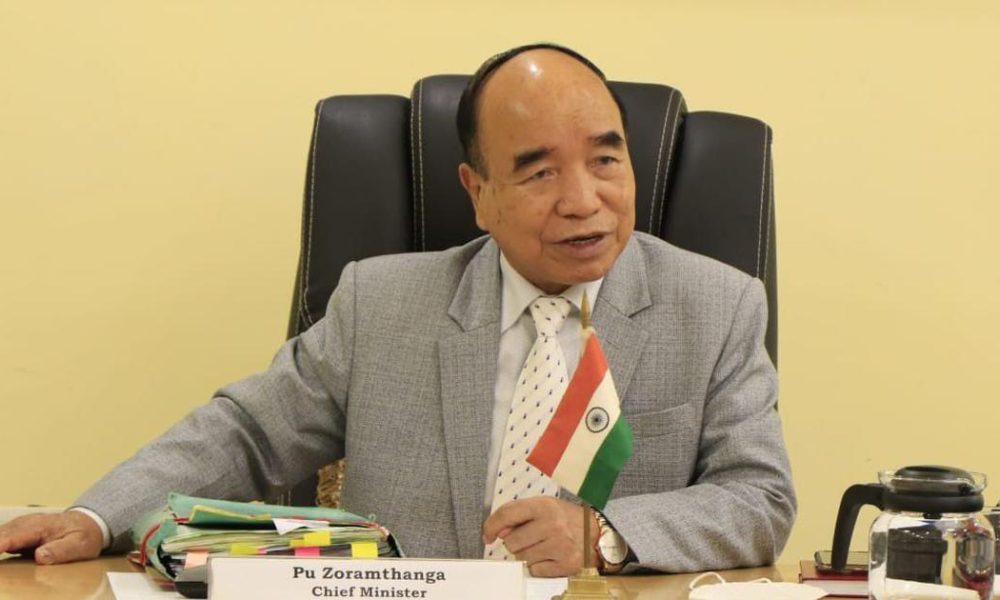
In a captivating memoir, Zoramthanga, the former Chief Minister of Mizoram, shares his unique experiences as a young guerrilla fighter during a turbulent time in Indian history. His narrative details the underground movements that were prevalent in the region and the challenges faced by militants seeking autonomy.
One of the significant aspects of this underground lifestyle was the use of code names for various nations, a strategy employed for security. India was referred to as ‘Vaiho’, Pakistan as ‘Bawngate’, the United States as ‘Pawikawia’—a nod to its wealth—and China earned the moniker ‘Chemfawngfaia’ due to its citizens’ fair complexion. This clandestine nomenclature was a crucial part of the fighters’ operations, ensuring their communications remained secure.
Zoramthanga recalls the numerous visits to the Chinese consulate in Dhaka during this period. The relationship with China was particularly noteworthy, as several key figures from the underground movement, including Pu Laldenga, had previously visited the country. Zoramthanga mentions Lalthangliana Philips, who had spent substantial time as an ambassador for Mizoram, highlighting how vital international connections were for their cause.
The guerrilla fighters faced numerous logistical challenges, particularly in terms of financing their operations and meeting daily needs. With over a thousand members relying on the movement for sustenance, securing rations, funds, and resources became a pressing issue. Despite Pakistan being their primary benefactor, support in terms of finances and military aid became increasingly limited, forcing them to seek assistance elsewhere.
Recognizing the need for external support, Zoramthanga and his team applied for permission to visit Beijing. Navigating the complexities of their status in Pakistan as hidden guests, they understood the necessity of securing passports and visas to avoid complications at airports and immigration checkpoints. This journey to China was not merely an expedition; it embodied their quest for solidarity and support in their struggle for autonomy.
Source: scroll.in






No Comment! Be the first one.